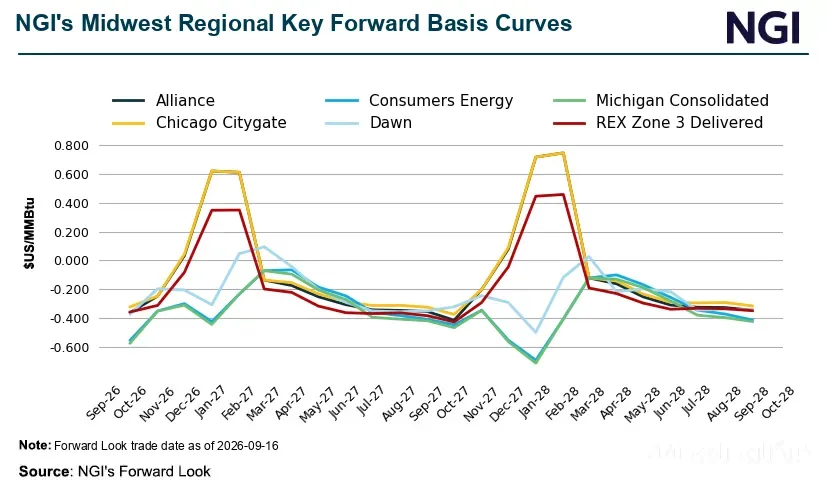
The natural gas reserves in the Midwest of the United States, recognized as one of the most important energy supply sources, may face new challenges. With the increase in liquefied natural gas (LNG) exports, rising electricity demand, and the establishment of new pipelines, the outlook for gas supply in this region will change significantly.
The Impact of LNG Exports on Gas Reserves
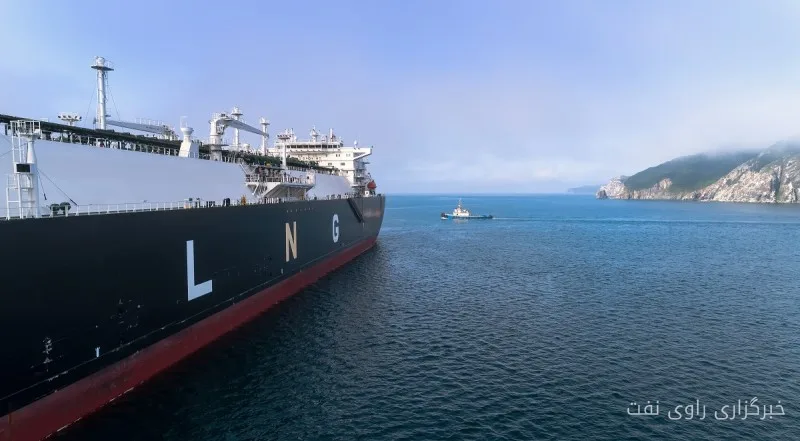
LNG exports are rapidly increasing, and this trend could affect natural gas reserves in the Midwest. As the United States has become one of the largest producers of natural gas in the world, it is expected that LNG exports to international markets, especially in Asia and Europe, will rise. This may lead to a reduction in the gas available to meet the domestic needs of this region.
Read more: New Analysis by ShipIn Systems and NorthStandard on Risk Patterns in Maritime Incidents
Increasing Demand and Infrastructure Challenges
In addition to exports, domestic demand for electricity is also on the rise. New trends in energy consumption, particularly in industries and residential sectors, are putting more pressure on natural gas resources. Furthermore, the need for new pipelines to transport gas to consumption centers poses an infrastructure challenge. These pipelines must have the capacity to transport gas to various locations to prevent increased demand and declining reserves.
In this context, changes in U.S. energy policies could also impact gas supply. For example, decisions regarding investment in new projects and maintenance of existing facilities could help shape a sustainable energy ecosystem.
Economic and Social Implications
A decline in natural gas reserves and rising prices could have widespread economic and social consequences. Especially in the Midwest, where natural gas is considered a primary energy source, rising prices may negatively affect living costs and industries. This issue could lead to public dissatisfaction and pressure on governments to provide effective solutions.
Ultimately, the energy supply outlook in the Midwest of the United States is significantly influenced by both external and internal factors. Given current trends, it seems increasingly necessary to engage in careful planning and investment in energy infrastructure to maintain balance in energy supply.
Read more: 1.7% Increase in Seaborne Coal Loading in 2026 · Natural Gas Futures on the New York Stock Exchange Reach $3/MMBtu