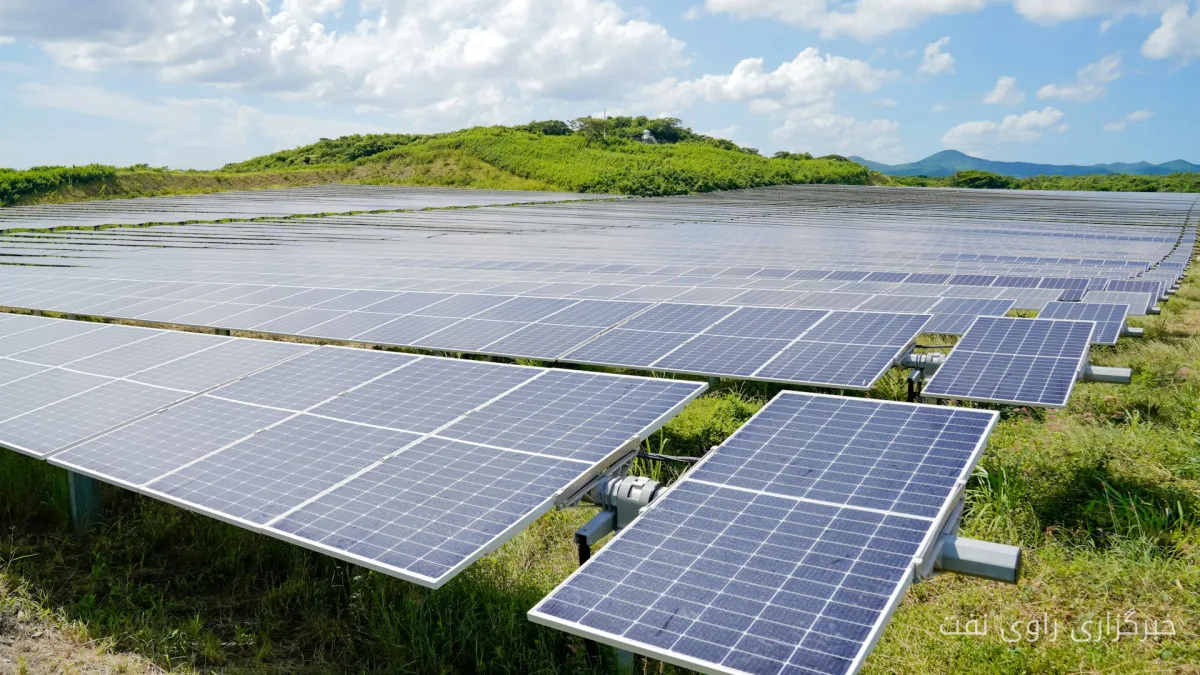
The growth of renewable energy in India has significantly exceeded expectations, making the country one of the key players in global renewable energy markets. According to a new report by the International Energy Agency (IEA), India is now the second fastest-growing renewable energy market in the world and the second largest producer of solar panels after China.
Fuel Import Cost Savings
The Renewable Energy Market Report for India in 2026 indicates that renewable energy has saved over $100 billion in coal and natural gas import costs for India. This saving is calculated from 2011 to 2025 and is expected to more than double by 2030.
Without the new capacities of solar, wind, and bioenergy that have emerged since 2010, India's coal imports could have increased by about 110 million tons by 2025. These savings are likely to be even greater for 2026, especially due to severe fluctuations in the energy market following recent conflicts in the Middle East.
Future Challenges and Need for Investment
By increasing investment in diversifying its energy mix and reducing dependence on foreign energy imports, India has avoided more severe economic consequences, demonstrating the wisdom of expanding renewable energy as an energy security strategy during geopolitical instability.
The International Energy Agency believes that to continue this trend, India must focus on faster investment in electricity networks, storage, and system flexibility. There is also a need to strengthen the financial capacity of utility companies and reduce project delays.
The volume of energy demand in Asia is rapidly increasing, and a new report from McKinsey suggests that Asian countries will likely need to invest $1 trillion annually over the next 15 years to ensure energy security at the regional level. Estimates indicate that energy demand in Asia will reach 370 million terajoules by 2040, representing a 15% increase compared to last year's forecasts.
Read more: Growth of Natural Gas Demand in Asia and Europe Despite Recent Challenges