East Asia is facing serious challenges in energy supply, particularly exacerbated by increasing electricity demand and dependence on fossil fuel imports. The war in Iran has revealed serious vulnerabilities in the energy markets of this region. This is while demand continues on its rapid growth path, even as global crude oil prices remain high.
Energy Emergency in the Philippines
With the closure of the Strait of Hormuz in February and its repercussions, Asian markets were severely affected. Southeast Asian countries, particularly due to their high dependence on energy imports and low capacity to absorb market shocks, were more vulnerable. In the wake of this crisis, the Philippines declared an energy emergency, and governments resorted to measures including energy rationing and working from home.
Read more: Increase in Greece's trade deficit in August 2026
Need for Energy Infrastructure Improvement
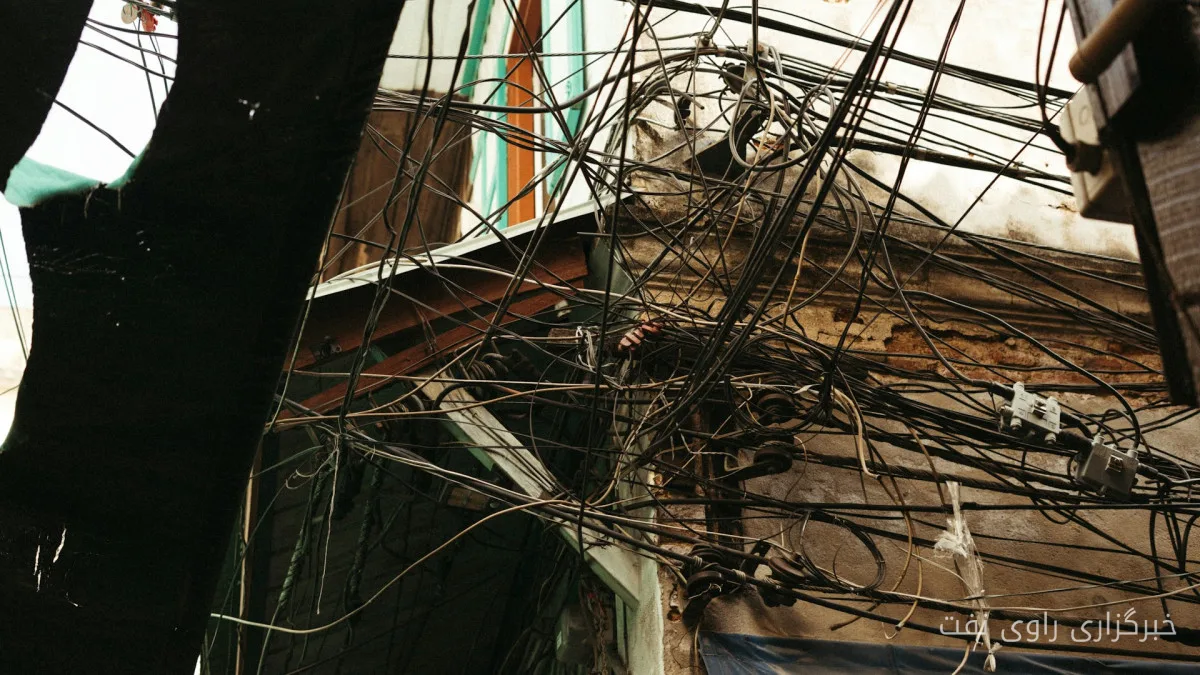
While this crisis has led to a necessary transformation in clean energy production, infrastructure challenges remain the main barrier to progress towards energy security. According to an August report from Climate Home News, inadequate capacity and maintenance of the power grid are serious obstacles to the implementation of new clean energy projects in the region. Additionally, issues such as lack of transparency in power purchase agreements and delays in permitting have compounded these problems.
Consultancy reports indicate that between 2021 and 2025, 50 to 60 percent of renewable energy projects in Vietnam, Thailand, and Indonesia have been canceled or halted due to lack of infrastructure and policy support. It is expected that by 2030, more than 100 terawatt-hours of new electricity demand will be created in the region, driven by the increasing number of data centers, electric vehicles, and industrial clusters. In this regard, developing power grid infrastructure will take 5 to 15 years, making this mismatch a key constraint.
However, the International Energy Agency emphasizes that if countries in the region collaborate more closely, they can enhance resilience against global market fluctuations and local pressures. Strengthening national preparedness and deeper cooperation among Southeast Asian countries can help members of this association show greater resilience against supply disruptions and price volatility.
Read more: David Losli mentioned navigation challenges in an interview with Ocean Dialogues · Qatar Energy supplies an LNG shipment to Bangladesh



