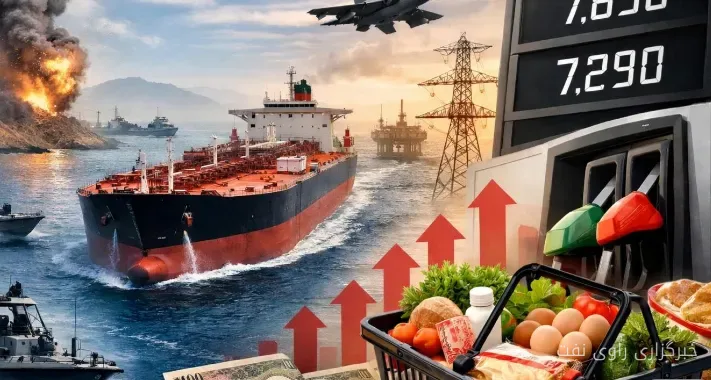
The increase in fuel prices in the United States has become one of the serious challenges for the government of this country. Given the recent developments in the Persian Gulf and the military aggression of America and the Zionist regime against Iran, the economic consequences of this conflict are clearly felt in the daily lives of citizens.
Disruption in Shipping and Energy Market
The Strait of Hormuz, as one of the most important energy transit routes, has become the center of the economic consequences of this conflict. Disruptions in shipping and energy supply have led to increased fuel prices and living costs in countries dependent on energy imports. In this context, America has also not been spared from the consequences of this crisis.
Read more: Return of Maritime Coal Trade to Growth with Changing Demand Patterns in Asia
According to published statistics, the annual inflation rate in the United States reached 3.7 percent in September 2026. Additionally, gasoline prices in the same month increased by 9.1 percent compared to the previous month, with an annual growth rate of 34.2 percent. These figures indicate the direct impact of the energy crisis on the daily lives of American households.
Livelihood Concerns and Political Impacts
Surveys show that 74 percent of Americans are extremely concerned about gasoline and energy prices. This figure has clearly increased compared to 43 percent before the military conflict. Furthermore, 73 percent of respondents expressed concern about the prices of food and consumer goods. These concerns, ahead of the midterm congressional elections on November 3, could significantly impact voters' evaluations of the government's performance.
As the cold season approaches in the Northern Hemisphere, the demand for energy increases, and any disruption in supply could put more pressure on households and industries. For European countries that are dependent on energy imports, the existing uncertainties in the Persian Gulf could raise import costs and make energy supply planning more difficult.
Ultimately, the economic crisis stemming from the war is not limited to direct military expenditures but can also infiltrate domestic politics, putting the U.S. government under pressure from rising living costs for citizens.
Read more: Reducing Price Pressures in America Requires Policy Attention · Surge in Oil Prices to $110 and the Impact of Ongoing Wars



