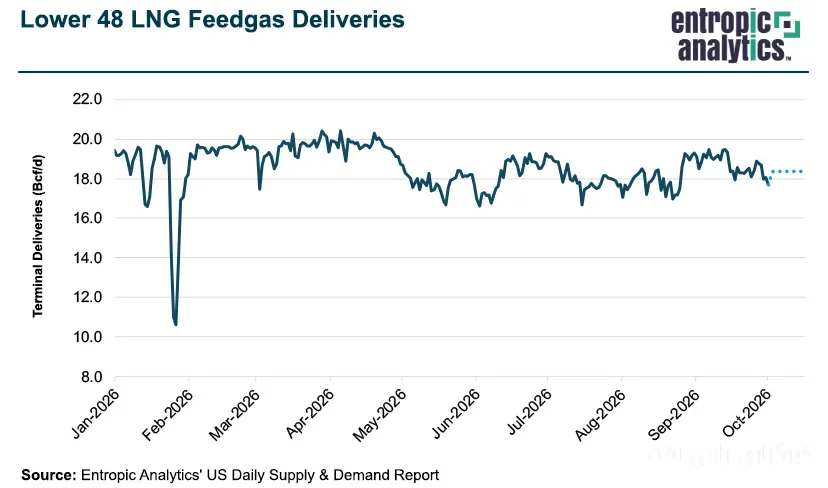
The increase in U.S. natural gas exports is currently drawing significant attention due to the global shortage of liquefied natural gas (LNG). This shortage is caused by prolonged disruptions in LNG supply stemming from political and military tensions in the Middle East, particularly in major producing countries. This situation has not only impacted prices but has also heightened the necessity for securing new gas sources ahead of the winter season.
Current LNG Supply Situation
Several countries in the Middle East, especially in oil-producing nations, are facing serious challenges in securing natural gas. These disruptions have led to increased demand for liquefied natural gas from the United States. Given the production capacity of U.S. gas, it is expected that the country's exports will rise during the winter season. The United States, as one of the largest natural gas producers in the world, has currently increased its daily production capacity to 100 billion cubic feet per day.
Read more: Stolt-Nielsen's Financial Results for Q3 2026 Show Decline in Net Profit
Consequences of Increased U.S. Gas Exports
The increase in U.S. natural gas exports could have both positive and negative effects on global markets. On one hand, this move will help meet the needs of European and Asian countries that are facing dwindling domestic resources. On the other hand, increased exports may impact domestic gas prices in the United States and lead to higher costs for domestic consumers.
In light of these developments, necessary steps to increase the production and export capacity of U.S. natural gas are under consideration. The country is also looking to strengthen its infrastructure for transporting LNG to global markets, which could help reduce other countries' dependence on Middle Eastern gas resources.
Read more: Iran's Energy Minister Abbas Aliabadi's Visit to Kabul · EIA Lowers Henry Hub Price Forecast Amid Limited Natural Gas Storage



