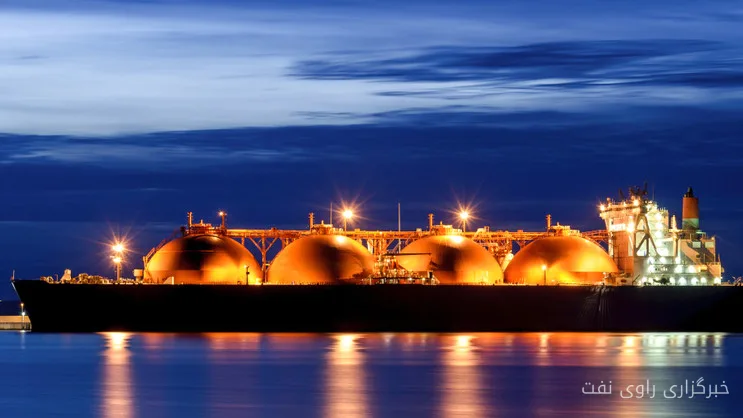
The increase in transportation costs has led to a shift in US LNG shipments towards Europe. While Europe benefits from the closure of the Atlantic-Pacific arbitrage, more LNG shipments are being sent to this continent to reduce concerns about gas supply during the winter season.
Closure of the Atlantic-Pacific Arbitrage
Due to high transportation costs, the Atlantic-Pacific arbitrage has been closed until the end of this year. This situation has caused most US LNG shipments to be directed towards Europe, where transportation costs are significantly lower. Last month, Europe was able to attract more LNG shipments from Asia, with deliveries to this continent being only 4% less than last year. While LNG deliveries to Europe faced a 30% decline in early August.
Read more: Baltic Sea Index Drops 158 Points to 3268 Units
Concerns About Gas Supply in Winter
Due to disruptions in LNG flows from the Middle East over the past seven months, gas prices in Asia and Europe have risen. These price increases peaked, experiencing the highest levels since the 2022-2023 energy crisis. Asia had an advantage in the competition for LNG supply in early spring and summer, but with the closure of the Atlantic-Pacific arbitrage, Europe is now turning more towards immediate LNG imports, although this comes at a high cost.
As of September 27, EU gas storage levels are about 70% full, while the five-year average for this time of year is 86%. Some major economies, including Germany, which has the fourth largest gas storage in the world, have only stored 57% of gas. This situation has raised concerns about gas supply security in the upcoming winter, especially if a colder winter than previous years occurs.
Read more: Government Meeting Held Under the Chairmanship of Masoud Pezeshkian · Energy Workforce Calls for Rejection of Diesel Export Ban in the US



