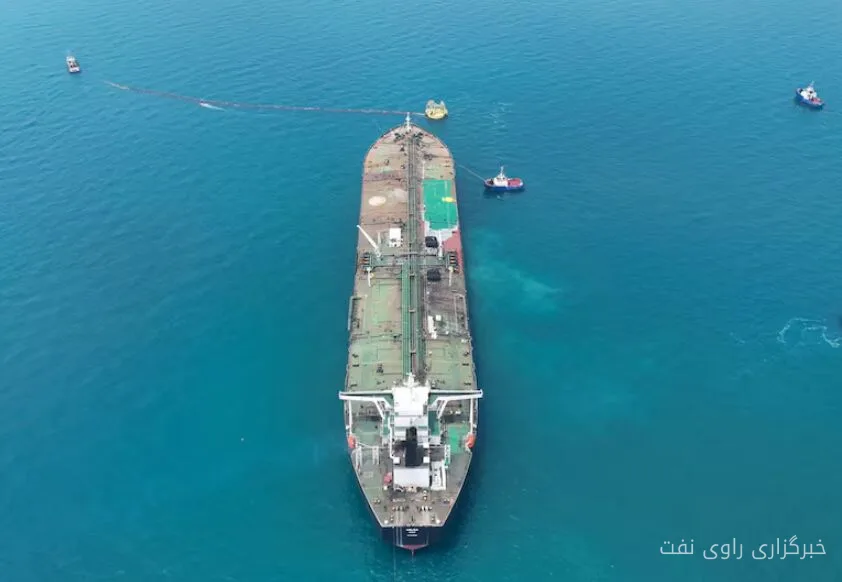
The cost of transporting 2 million barrels of crude oil from the U.S. to Japan, which is scheduled to take place in late November aboard the giant tanker "Steam Explorer," has reached $81 million. This is while the transportation cost for such a shipment last year averaged $9.1 million.
Significant Increase in Costs
The transportation cost is equivalent to $40.50 per barrel, which has increased nearly ninefold compared to last year. This rise in costs has impacted global oil prices and raised significant concerns for consumers.
Refineries use oil to produce fuel, which is essential for transporting food, consumer goods, and building materials. Therefore, the increase in costs exacerbates inflation in import-dependent countries.
Impact on Gasoline Prices and Transportation Costs
Kent Medlock, an energy economics researcher at the Baker Institute for Public Policy in Houston, stated that for every $10 increase in transportation costs per barrel of oil, approximately 23 cents is added to the price of each gallon of gasoline. Given the transportation costs of the "Steam Explorer," the price of each gallon of gasoline will be at least 80 cents higher than last year.
Medlock added: "This situation is like a train moving slowly. The longer this condition persists, the more lasting its effects will be. Transportation costs account for over 40% of the price of U.S. oil, and this figure averaged 7% in 2025."
Import-dependent countries like India, the Philippines, and Indonesia are bearing the brunt of the staggering costs. Additionally, the International Energy Agency has reported that the unprecedented increase in tanker rental rates is currently reducing the profits of Asian refineries.
Tensions related to the U.S. and Israeli regime's war against Iran and military conflicts between Russia and Ukraine have increased transportation and insurance costs. The cost of transporting oil from the Strait of Hormuz and the Red Sea to Asia has reached an unprecedented $34 per barrel.



