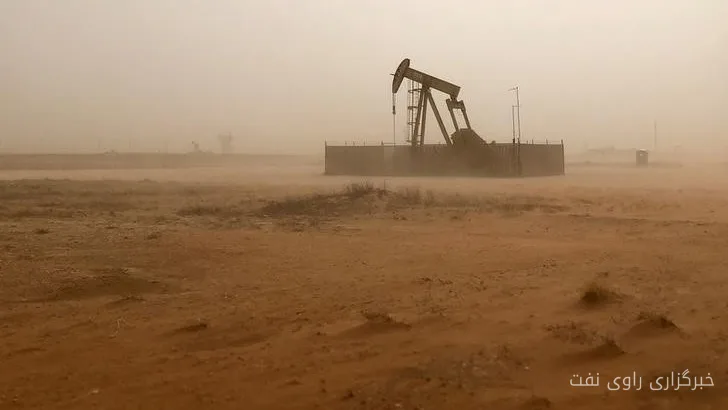
The increase in oil prices has occurred following production disruptions in two major producing countries, Saudi Arabia and Libya. West Texas Intermediate (WTI) crude oil prices for October delivery have risen by 4.4% to $105.83 per barrel. This price increase is directly related to a decrease in oil supply in global markets.
Production Disruptions in Saudi Arabia and Libya
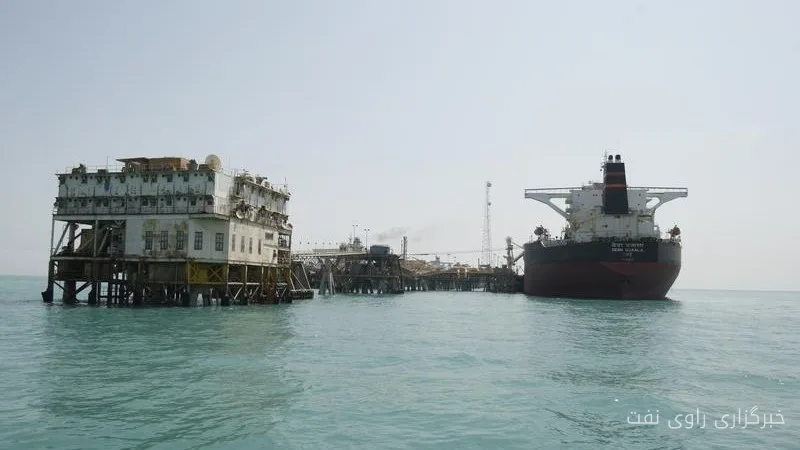
Saudi Arabia, as the world's largest oil exporter, has been unable to meet its oil supply commitments due to production disruptions. These disruptions have been caused by technical issues and unforeseen repairs in some of the country's oil fields. On the other hand, Libya has also reduced its oil production due to political instability and conflicts. These two factors have led to a supply shortage in the oil market, resulting in rising prices.
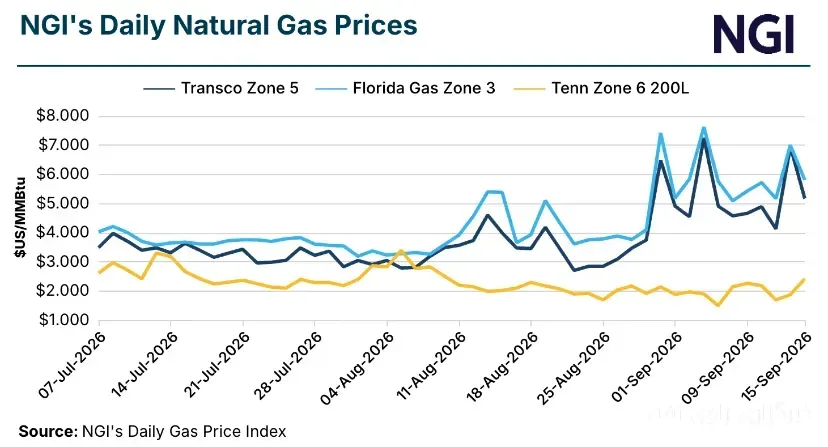
Read more: Natural gas prices rise to $3 due to reduced production and steady demand
Market Analysis and Implications
Oil market analysts believe that the continuation of these disruptions could lead to further price increases. Given that demand for oil is on the rise and many economies are recovering, any reduction in supply could have serious impacts on the global oil market. Additionally, as oil prices have currently reached a high level, producing countries and companies must closely monitor the situation to prevent severe price fluctuations.
As a result, these disruptions could have widespread effects on the global economy as well as financial markets. Many countries are seeking to adopt new strategies for managing their energy resources in light of high oil prices.
Read more: Pertamina seeks to invest in Guyana and Suriname for energy security · Brent crude oil reached $108.49 per barrel