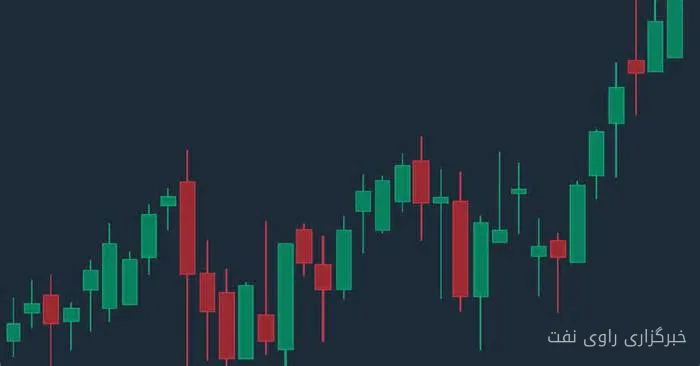
Oil flows from the Strait of Hormuz have approached pre-war levels, which currently helps meet the needs of the global oil market. According to information from analysts and traders on Wall Street, this situation will lead to increased supply and reduced volatility in oil prices.
The Situation of the Strait of Hormuz and Its Impact on the Global Market
The Strait of Hormuz, which is one of the main routes for oil transportation, is recognized as a strategic hub in the global oil market. With the increase in oil flows from this strait, global oil prices are expected to stabilize. Currently, crude oil prices are fluctuating around $100 per barrel, indicating significant volatility in this market.
Read more: OPEC+ will maintain oil production targets at the meeting on Sunday
Consequences of Increased Oil Supply
According to available information, the increase in oil supply from the Strait of Hormuz could help reduce prices while also preventing concerns about supply shortages. These changes, especially in a context where demand for oil is rising, could have significant impacts on the global market. It is expected that with the increase in supply, oil prices will gradually decline, which will benefit consuming countries and oil-dependent industries.
Overall, the increase in oil flows from the Strait of Hormuz not only helps meet market needs but could also lead to improved economic conditions in countries that depend on oil. Market analysts believe that these changes could lead to price stability and improved economic conditions globally.
Read more: Support from U.S. oil and gas groups for bipartisan Senate permitting reforms · 392,000 tons of steel and petrochemical products offered on the commodity exchange



