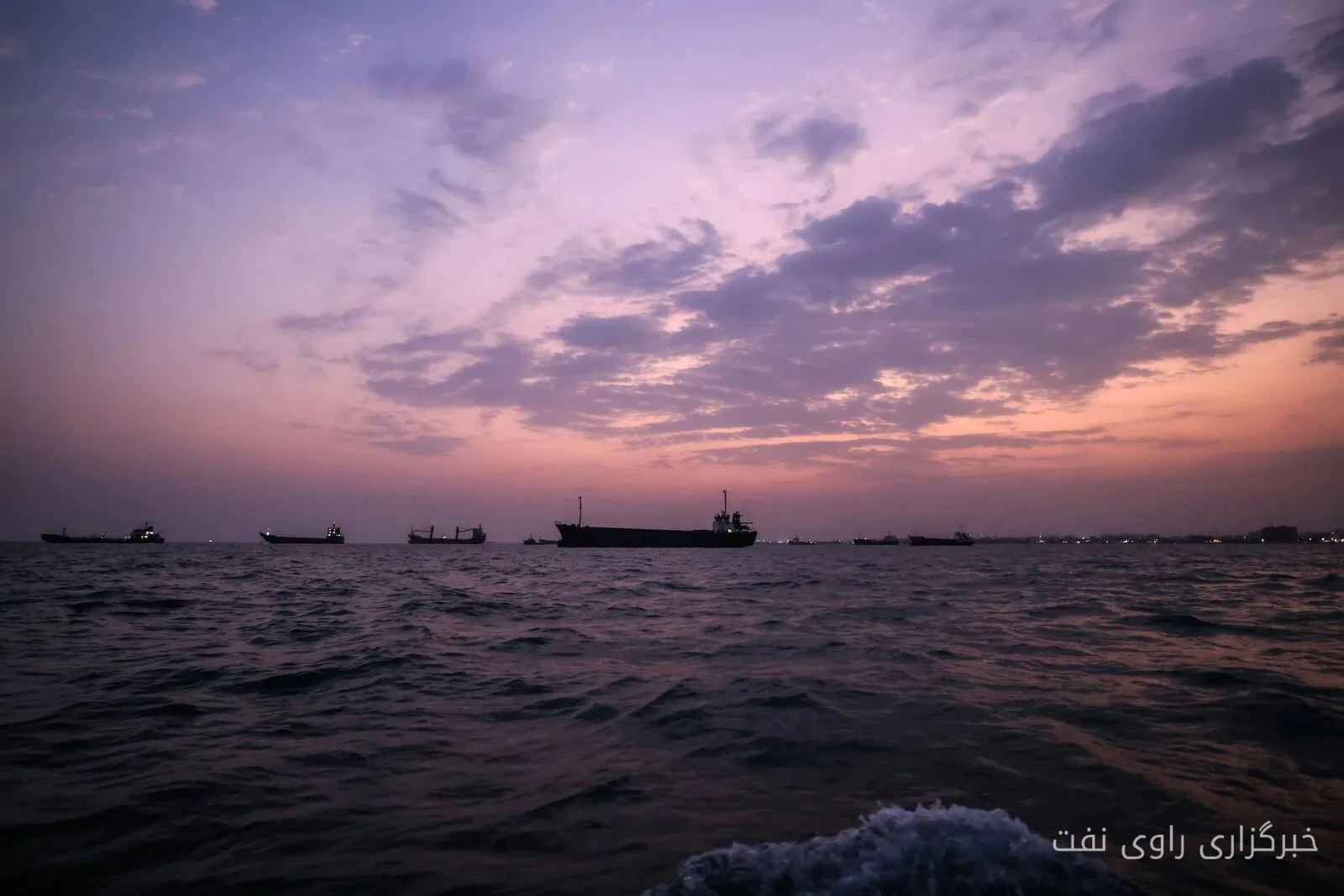
The Middle East, with its increase in crude oil exports, has become one of the main centers influencing oil price fluctuations in the global market. These developments are influenced by geopolitical conditions and changes in global oil supply and demand, which can quickly affect prices.
Current Oil Market Conditions
On Monday, oil prices experienced a slight increase amid volatile trading. Brent crude oil prices rose by 5 cents to $102.30 per barrel, while West Texas Intermediate (WTI) crude oil fell by 49 cents to $90.62 per barrel. These fluctuations occur as G7 member countries have committed to increasing oil supply, while concerns remain about ongoing disruptions caused by military conflicts between the U.S. and Israel with Iran.
Read more: China managed the Gulf oil shock by transferring pressure to refineries
Increase in Middle Eastern Crude Oil Exports
Shipping data shows that Middle Eastern crude oil exports exceeded pre-war levels for four days out of the last seven days of September, despite attacks on ships passing through the Strait of Hormuz. This increase in exports could act as a factor for price adjustment in the global oil market. Tamas Varga, an analyst at PVM Oil, pointed to the role of rising heating oil and diesel prices, noting that this increase could be due to the suspension of refined product exports from China.
Amin Nasser, CEO of Saudi Aramco, stated at a press conference that he expects crude oil and refined fuel supplies to remain constrained. He also pointed out that replenishing global oil reserves after emergency withdrawals may take two years. Currently, OPEC+ member countries are reviewing the production quota levels for their members for the year 2027.
Reasons for Oil Price Fluctuations
Oil price fluctuations depend on various factors. On one hand, global developments and geopolitical conditions significantly impact the oil market, while on the other hand, the status of refineries and global reserves also play an important role in determining price trends. Additionally, the release of emergency reserves by G7 countries is being undertaken as a measure to alleviate pressure on prices.
Currently, instability arising from conflicts and wars in the Middle East, along with changes in the energy policies of major countries, can influence global oil prices. This situation highlights the need for continuous monitoring of developments in this region, especially as winter approaches and demand for energy increases.
Ultimately, given the current conditions of the oil market and the increase in Middle Eastern crude oil exports, future prospects remain uncertain, necessitating more detailed analysis and ongoing monitoring of developments.
Read more: A one dollar increase in Brent oil prices after the attack on Aramco · Stability of OPEC+ oil production in November 2023



