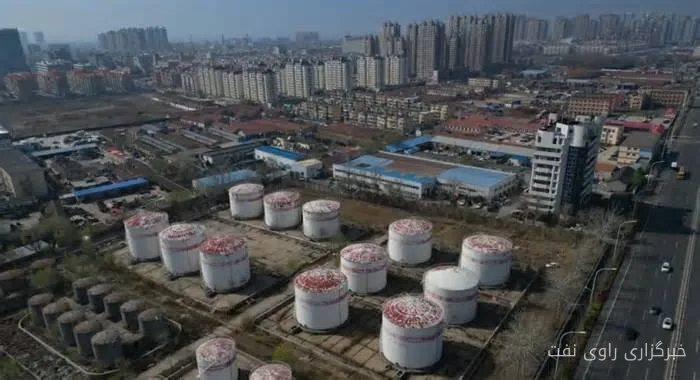
As the world's largest crude oil importer, China has taken measures to manage the crisis in response to the oil shock caused by the Gulf crisis. Zongyuan Zui Liu, a researcher in China studies, has examined this approach in an article and highlighted the role of refineries in this process.
Crude Oil Imports at Lowest Level
Since February 2023, the International Energy Agency has reported the largest supply disruption in the history of the global oil market. During this period, China, which sources over 90% of its crude oil imports by sea, reduced its imports to the lowest level in nearly a decade. This reduction peaked in June 2023 and gradually began to revive imports in July with a cautious approach, although the purchase levels in August and September remained significantly lower than pre-crisis levels.
Read more: OPEC+ Keeps Oil Production Targets Steady for November
Protective Strategies and Reducing Dependency on Oil
China's ability to withstand pressures from the Strait of Hormuz crisis reflects its efforts to create various mitigating factors and buffers. These efforts include protective mechanisms and precautionary reserves that have helped reduce socio-economic vulnerabilities arising from supply disruptions.
Although China did not directly announce a reduction in crude oil imports, the country's leaders are well aware that the supply shock from the events in the Strait of Hormuz could pose a significant challenge to their macroeconomic stability. Their priority is to prevent the spillover of rising oil prices into imported stagflation. China's industrial system can withstand a reduction in crude oil imports, but economic officials know that an economy reliant on limited demand cannot bear price increases due to oil costs.
Ultimately, Beijing faced the crisis and sought to prioritize domestic needs while largely containing rising costs within its refining system. In early March, the Chinese government limited exports of refined products to ensure it could meet domestic needs.
Read more: OPEC+ Oil Production Plan Remains Unchanged for Next Month · China Aims to Dominate the Solid-State Battery Market by 2030



