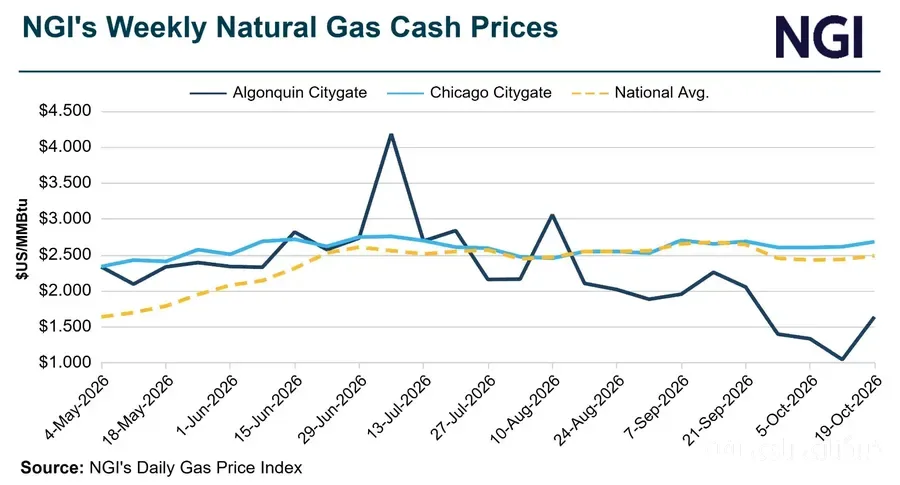
Weekly natural gas prices have significantly increased due to high demand for liquefied natural gas (LNG) and variable weather conditions in the northern and southern regions of the country. With the arrival of cold air in the northern areas, the demand for heating has risen, while the intense heat in the southern regions has also led to increased use of air conditioning systems.
Supply Decrease Due to Storm and Infrastructure Issues
Meanwhile, the supply of natural gas has faced a significant decline. This decrease has been due to two main factors: Storm Isaiah, which damaged production infrastructure, and the failure of an important pipeline. These factors have directly impacted the overall gas supply and put pressure on the market.
Demand Analysis and Its Impact on Prices
The demand for LNG, especially in recent weeks, has been significantly influenced by the increased demand for heating and air conditioning in different seasons. As many countries seek to store gas for winter, this could lead to price increases in the market. It is expected that with this trend continuing, prices will remain under pressure and experience more fluctuations.
Ultimately, weather changes and climatic conditions act as key factors in determining natural gas prices. According to existing forecasts, prices are expected to remain at higher levels in the near future due to high demand and limited supply.
Read more: Meeting between Hamid Bord and Saad bin Sherida Al-Kaabi in Doha · Decrease in natural gas prices in futures markets with differentiation between the East and the Permian Basin



