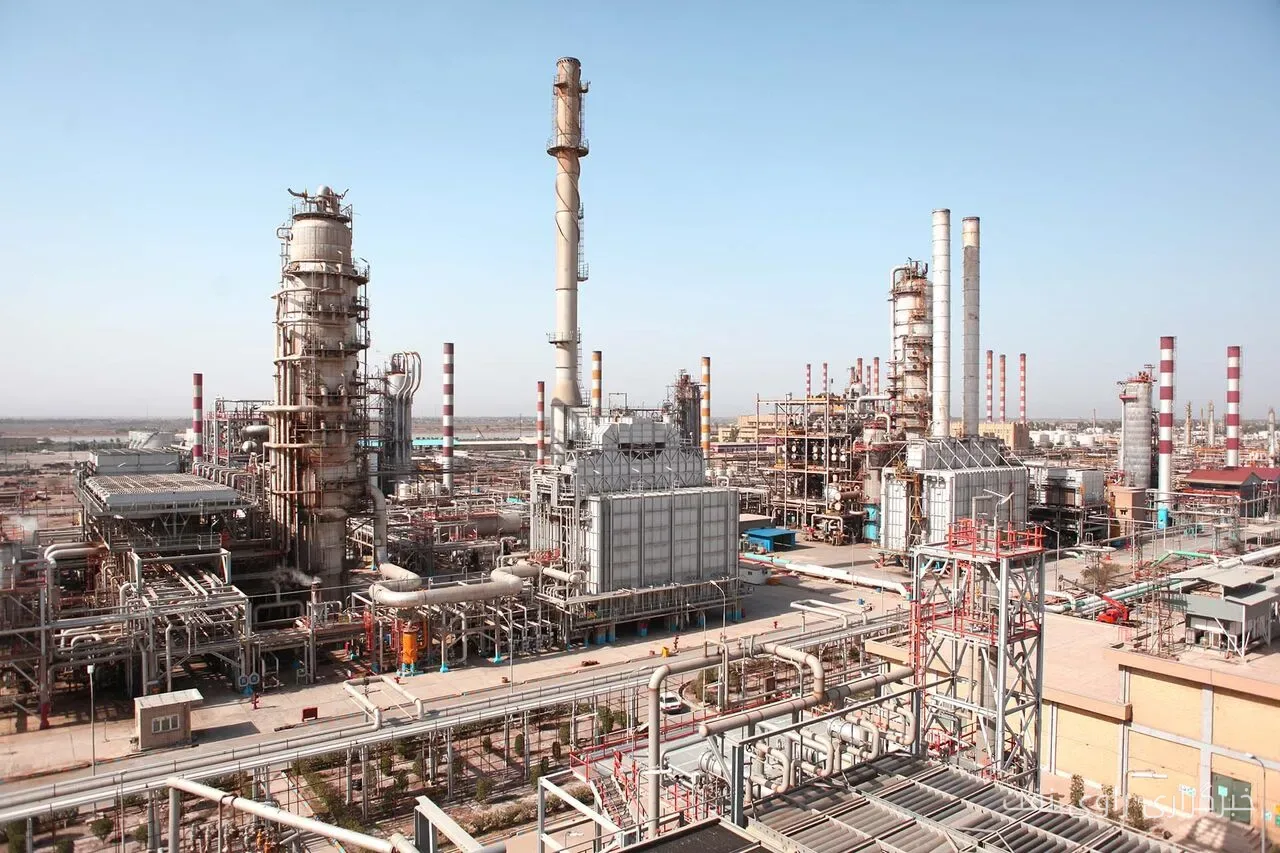
Iran's daily crude oil production has increased to 3 million and 715 thousand barrels in October 2026, indicating a growth of 285 thousand barrels compared to September 2024. This increase is equivalent to 8.3 percent in production capacity. Additionally, comparing oil production in October 2026 with October 2025 shows a daily growth of 55 thousand barrels.
Measures to Increase Production Capacity
Activating existing capacities, revitalizing low-yield wells, developing shared fields, and strengthening processing and transmission infrastructure are the main axes of actions taken during this period. In this context, an emergency plan to increase crude oil production by 250 thousand barrels has been defined with a budget of 3 billion dollars, of which 70 thousand barrels per day of the target has been achieved so far. The financing of this plan includes 80 percent from the National Development Fund and 20 percent from the internal resources of the National Iranian Oil Company.
Read more: Oil prices reach their highest level as the war continues
Contracts for Field Development and Infrastructure
In this regard, contracts for the development of the Azadegan, Azar, Changuleh, and Band-e-Karkheh fields have been signed with a total investment of about 13 billion euros. In the infrastructure sector, private sector contracts have been concluded to create 315 thousand barrels per day of new processing capacity, bringing the total processing capacity assigned to this sector to 430 thousand barrels per day. These actions, along with the activation of 129 drilling rigs and a contract for the provision of services for 20 new rigs worth about one billion dollars for drilling 270 wells, have contributed to strengthening oil production.
Hamid Bord, the caretaker of the Ministry of Oil and former CEO of the National Iranian Oil Company, has emphasized the continuation of production and development programs and called for solidarity and increased efforts from employees to turn existing capacities into construction opportunities. He also stressed the importance of collecting flare gases and accelerating ready-to-open projects.
The continuation of this trend depends on coordination among production, development, processing, and sales, sustainable financing, and utilizing the capabilities of domestic specialists. These factors can transform the created capacity into sustainable production and reliable income for the country's economy.
Read more: Ali Kiani, CEO of Kermanshah Petrochemical and his management background · Iran's oil industry has increased production capacity to 3.715 million barrels per day



