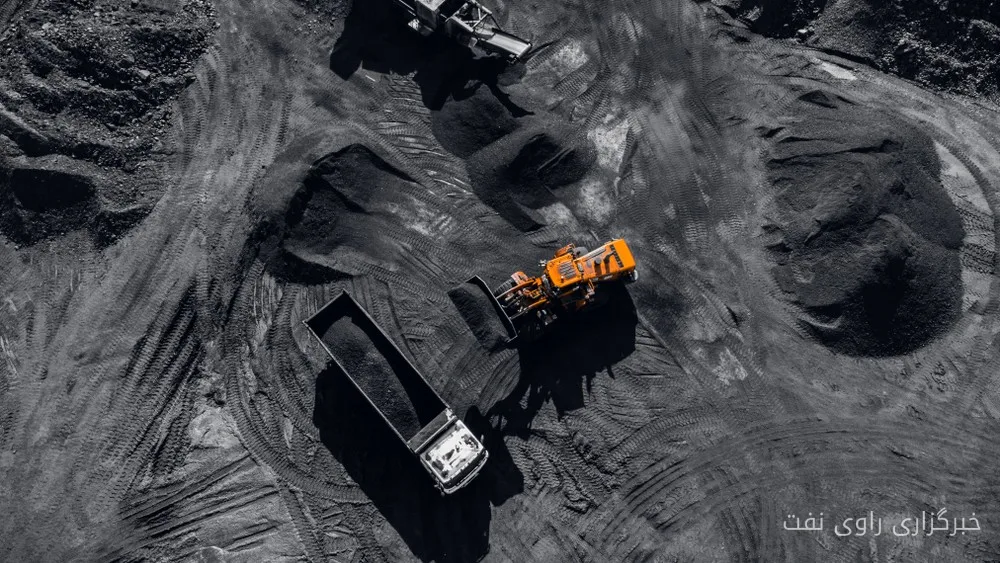
The International Energy Agency (IEA) has predicted that coal demand will increase this year due to oil and gas trade restrictions resulting from the closure of the Strait of Hormuz. In this context, several countries have been forced to revert to coal due to declining oil inventories and increased renewable energy capacity.
Increase in Coal Consumption in Various Regions
In its mid-year update, the IEA predicted that coal consumption in some parts of the world will rise due to increasing natural gas prices by 2026. The crisis in the Middle East and ongoing trade restrictions through the maritime corridor of the Strait of Hormuz have raised prices in recent months. This has led to severe disruptions in global energy and increased oil and gas prices.
The sharp decline in liquefied natural gas (LNG) exports through the Strait of Hormuz has caused some countries to face energy shortages and turn to other energy sources. Countries such as Japan, India, Bangladesh, the Philippines, South Korea, Thailand, Taiwan, China, and some European countries have been forced to increase their use of coal.
Environmental Challenges and the Need for Sustainable Energy
The news of increased coal use is concerning, especially as the United Nations has acknowledged for the first time that the world will not achieve the goal of limiting global warming to 1.5 degrees Celsius above pre-industrial levels. At the COP26 climate conference in Glasgow, diplomats from nearly all countries agreed to reduce global coal consumption. However, several countries continue to burn coal to meet their growing electricity needs.
Despite significant investments in developing renewable energy, it is expected to take years for the need for fossil fuels to be completely eliminated in most countries. For example, Italy announced in March that it would delay its plans to close coal-fired power plants by 13 years.
While coal consumption in the United States has decreased due to access to cheap natural gas resources and rapid development of solar and wind energy, the country has had a significant share in increasing global carbon emissions in 2025. Overall, the increase in coal consumption could have serious consequences for greenhouse gas emissions and climate change.