The increase in Brent oil prices to $110 on Monday prompted Sergey Lavrov, the Russian Foreign Minister, to visit Tehran. This event, along with the news of General Asim Munir's visit to Iran, has once again drawn attention to diplomatic movements and the possibility of mediation in nuclear negotiations.
Implications of Rising Oil Prices for the U.S.
The rise in oil prices is not just an economic issue for the U.S. government; this increase in fuel costs can impact the daily lives of American citizens. Especially with the midterm congressional elections approaching, the costs of living and fuel could become a serious challenge for the Republican Party.
Read more: Hojjatoleslam Khosrowpanah Emphasized the Necessity of Unified Governance in Iran-Africa Cooperation
On Monday, coinciding with the rise in oil prices, the news of General Asim Munir's visit to Tehran was presented as a significant diplomatic movement. Fars News Agency reported that the presence of the Pakistani Army Chief in Tehran was initially ruled out, but with the increase in oil prices to $110, the visit was finalized.
Diplomatic Movements and Russia's Role
Meanwhile, Sergey Lavrov also met in Tehran with Abbas Araghchi, the Iranian Foreign Minister, and spoke of Russia's readiness to play a role in resolving Iran-U.S. disputes. These movements occur while Donald Trump, the U.S. President, has stated that Washington is in dialogue with Moscow regarding Iran.
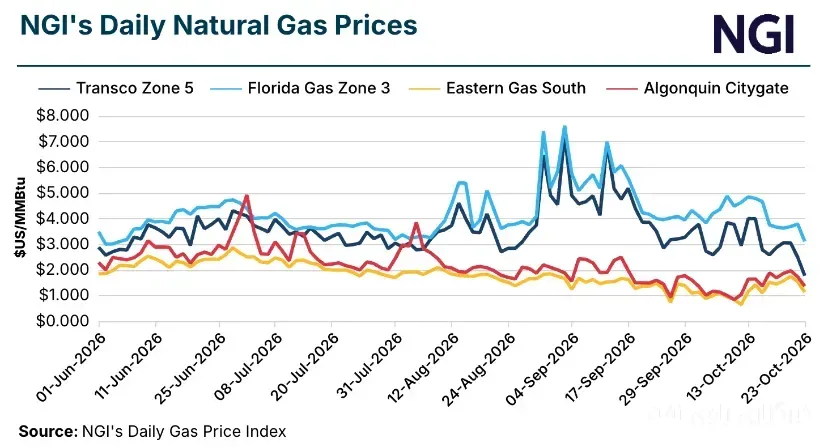
The combination of these events has once again drawn attention to the link between energy market pressures and efforts for mediation. The oil market does not only react to supply and demand; the prospect of war, the likelihood of disruptions in energy transit routes, and the status of the Strait of Hormuz also significantly affect prices.
The release of news about mediation and the possibility of approaching an agreement can change traders' expectations and reduce their concerns about the ongoing crisis. This comes as a new psychological atmosphere forms in the market, which could lead to a drop in oil prices, even if no agreement has yet been reached.
In summary, the release of news about the possibility of an agreement could alleviate some of the economic pressure weighing on the U.S. In this context, the question remains why Iran should get caught in this game and lose its leverage.
The Role of Mediation and Its Consequences
The performance of the Iranian Foreign Ministry and the way news related to negotiations is disseminated in wartime conditions requires serious reconsideration. With the rise in oil prices, the cost of continuing the war for the U.S. increases, and economic pressure on the Trump administration intensifies. As the midterm elections approach, any news that strengthens expectations for an agreement in the market could alleviate some of the economic pressure on Washington.
On the other hand, Russia's mediation between Iran and the U.S. may pursue goals beyond merely reducing tensions in the region. By establishing simultaneous communication with both Iran and Arab countries, Moscow seeks to position itself as an influential player in future equations. This comes as ongoing tensions could complicate the implementation of joint economic plans with Iran.
Given the current conditions, any mediation regarding the nuclear file and Iran's enriched uranium reserves must be examined more carefully to ensure Tehran's interests are not turned into bargaining chips between the two powers.
Read more: Henrik Jensen Warned the Shipping Industry About Managing Remote Workers · Oil Prices Drop Following Trump and Putin's Agreement on Diesel Supply