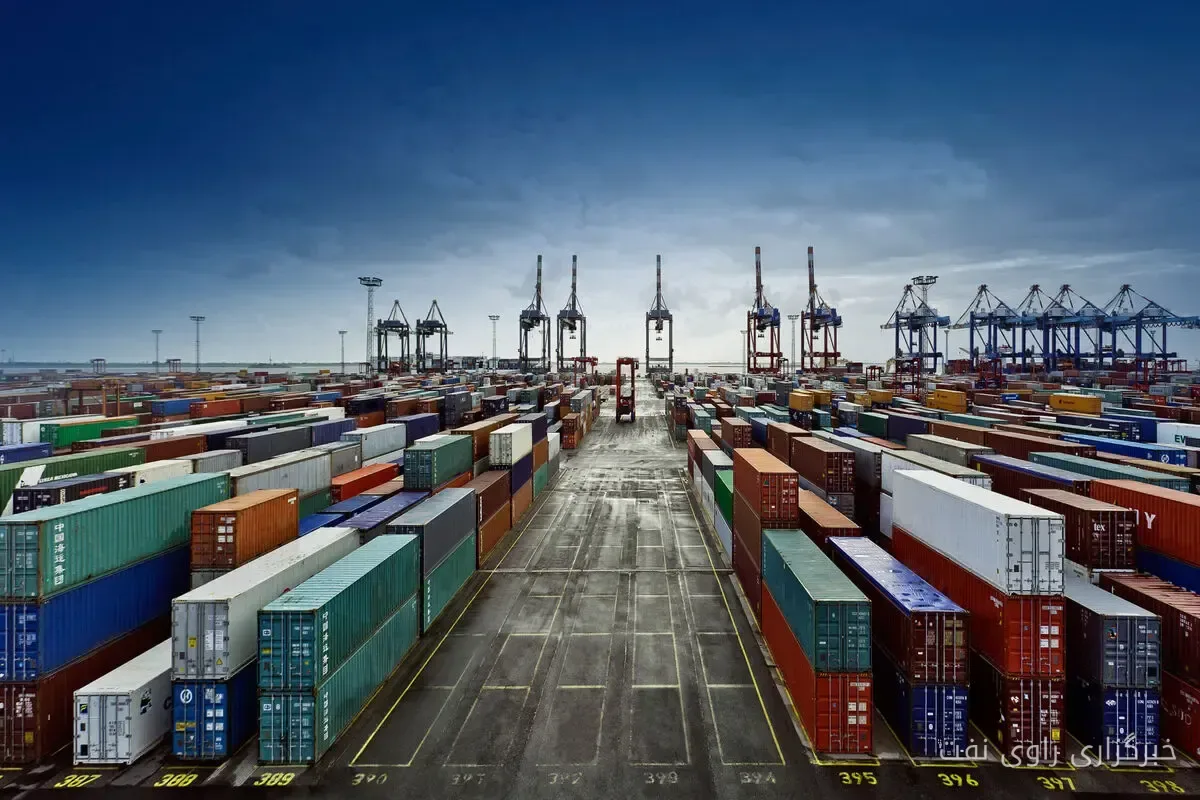
Importers of essential goods in Iran are facing serious problems in securing currency and, especially since January 2024, they have been owed nearly 4.07 billion euros by the government. This debt is mainly due to the preferential exchange rate of 28,500 tomans, which has now increased to about 10 times this rate, and this has posed serious challenges for the Central Bank.
Impact of sanctions and war on foreign trade
The current conditions, especially under the influence of war and maritime blockade, have put the country's oil exports in a bind and increased the need for currency allocation. The bombing of key industries and currency earners such as petrochemicals and steel has also added to the currency complexities. A group of traders, especially in the essential goods sector, have expressed serious concerns about the lack of currency supply and overdue payments, and this issue could have deeper impacts on the country's food security.
Read more: Baltic Sea Freight Index increases by two units to 2714 units
Currency allocation and new challenges
Traders have criticized the lack of currency allocation and order registration, stating that some of them have been waiting for currency for over a year. According to Ali Shariati, a member of the Tehran Chamber of Commerce, recent changes in the currency policy of the Ministry of Industry, Mine and Trade have challenged the status of importers. Essential goods have been prioritized into four groups, among which priority zero includes goods that are currently not allocated currency.
The number of goods eligible for currency allocation has decreased from about 1,500 items to nearly 60 items, which has created problems for many traders. These changes in currency policy, alongside the challenges arising from sanctions, have increased pressure on importers and reduced the diversity and volume of imports.
In this context, traders of essential goods have sent a letter to the Governor of the Central Bank, requesting attention to their currency demands and a quicker resolution for their payments. They have emphasized that under the current conditions, the lack of currency supply could lead to serious problems for food supply and the basic needs of the people.
Read more: 0.5% increase in personal consumption expenditures in the United States in September 2026 · Ofgem approval to maintain gas import capacity from Europe to Britain