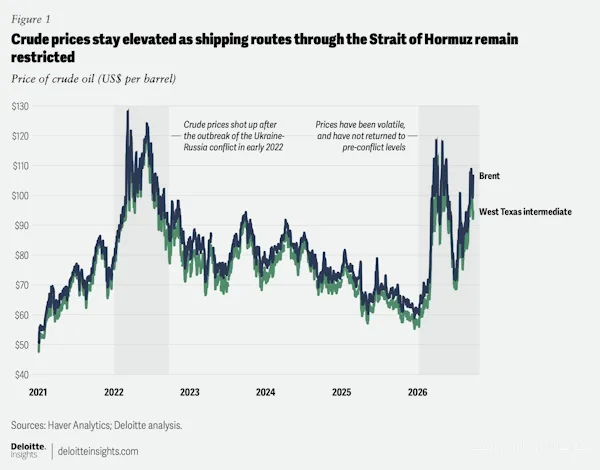
Conflicts in the Middle East are recognized as a new factor increasing concerns about global oil and gas supply chains. According to the Global Supply Chain Pressure Index from the New York Federal Reserve, in April 2026, this index reached its highest level in four years, which experts believe is due to disruptions in maritime routes through the Strait of Hormuz.
Decline in Crude Oil Exports
The Strait of Hormuz, which accounted for about 20 percent of global oil and gas exports in 2025, has faced new disruptions due to the conflicts. Crude oil exports from Gulf countries in August 2026 decreased by 45 percent compared to before the conflicts. Meanwhile, crude oil production from Gulf countries in August has dropped to over 10 million barrels per day due to traffic issues in the Strait of Hormuz.
Read more: 400 million cubic meters of gas imbalance reduction in the country
Attacks on the East-West pipeline in Saudi Arabia and threats against maritime routes in the Red Sea are likely to put more pressure on oil supply in this region. While producers who are not members of the OPEC+ group have increased their production, this increase cannot compensate for the crude oil shortage. Estimates indicate that global oil supply will decrease by 5.7 million barrels per day this year.
Impact on Refined Products and Natural Gas Market
Exports of refined products and liquefied gas from the Gulf in August 2026 have decreased by nearly 60 percent compared to February. Additionally, Ukrainian attacks on Russian refineries have exacerbated this issue. Russia, as a major producer of petroleum products, has reduced diesel production by 30 percent and gasoline production by 20 percent due to damage to its refineries.
Similarly, combined diesel and gas oil exports from the Middle East and Russia in August 2026 have decreased by 75 percent compared to the previous year. According to forecasts, retail diesel prices in the United States have increased by 74 percent since the onset of the conflicts, and gasoline prices have also risen by 50 percent.
A similar pattern is observed in the natural gas market. Before the conflicts, the Strait of Hormuz accounted for nearly one-fifth of global liquefied gas supply. However, between March and June, LNG loadings from Qatar and the United Arab Emirates were 35 billion cubic meters less than the previous year. Increased supply from North America and Africa has partially compensated for this shortfall.
Overall, the conflicts in the Middle East have had profound impacts on global oil and gas supply chains, and this issue may pose further challenges in the near future.
Read more: Qatar and Saudi Arabia condemn the attack on the LNG tanker in Pakistan · Oil demand in India and China is increasing due to the decline of the dollar