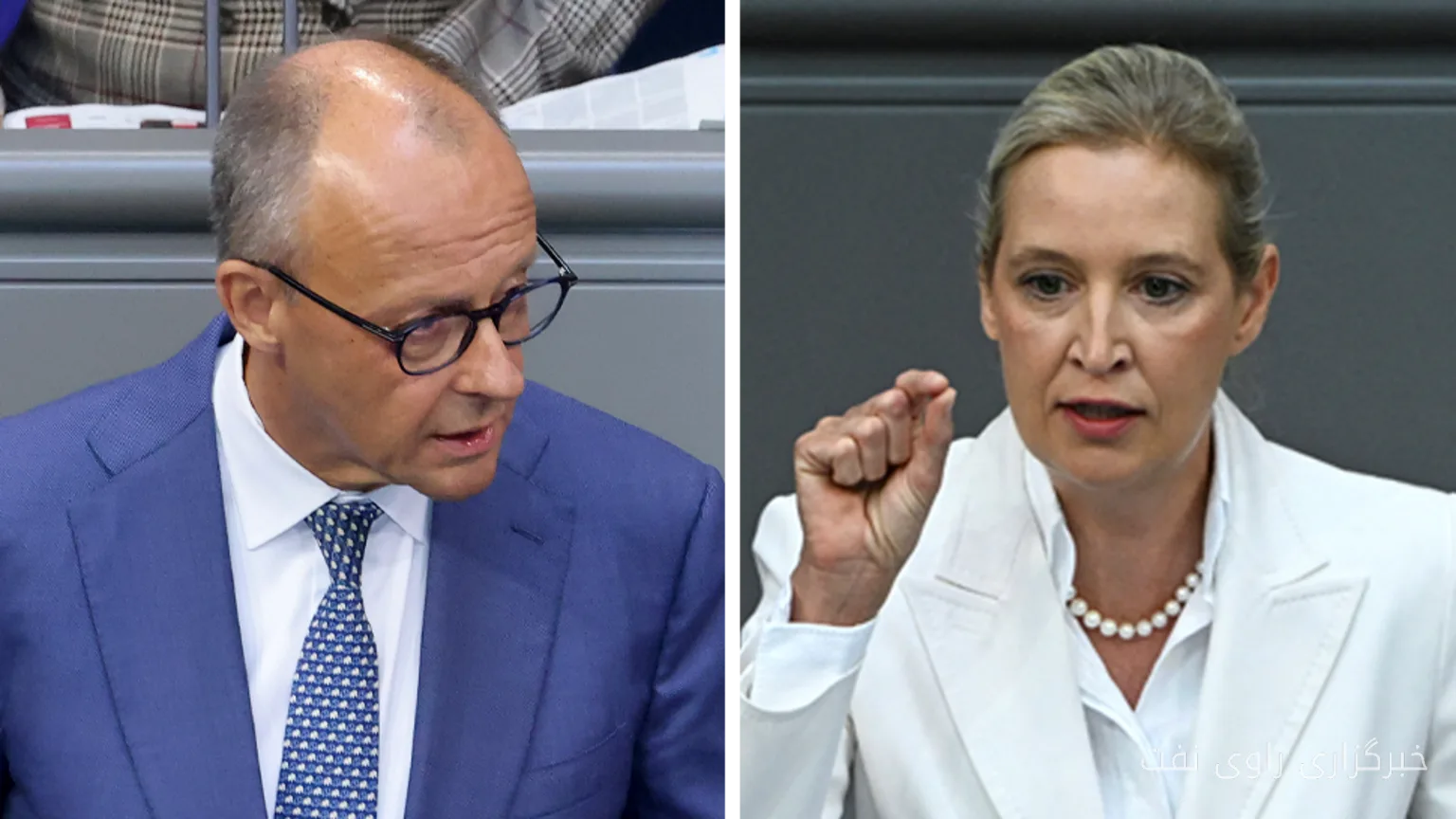
Germany has recently witnessed a heated and controversial debate between the Chancellor and the leader of the far-right party "AfD". With the significant victory of this party in the recent elections, tensions in parliament have reached their peak, and the Chancellor has strongly attacked the immigration policies of this party.
Immigration Policies and Social Challenges
The leader of the AfD, Alice Weidel, has faced severe criticism for her immigration policies. The Chancellor of Germany described these policies as "ethnic cleansing" during a parliamentary session and emphasized that this approach is not only detrimental to the country but could also lead to serious social and humanitarian crises.
In this session, the Chancellor clearly stated that Weidel's policies actually foster discrimination and inequality in society instead of attracting skilled labor. He stressed that Germany needs a diverse and talented workforce, not an immigration policy that only seeks a specific race.
Political and Social Consequences
This clash not only reflects the deep political contradictions in Germany but also serves as a reflection of public concerns about the future of immigration and cultural diversity in the country. Given the increasing influence of the AfD, these discussions could have profound impacts on Germany's future policies.
Ultimately, these tensions and debates highlight the serious challenges that Germany faces in dealing with far-right policies and their effects on society and culture. Can Germany overcome these challenges and find sustainable solutions to immigration issues?