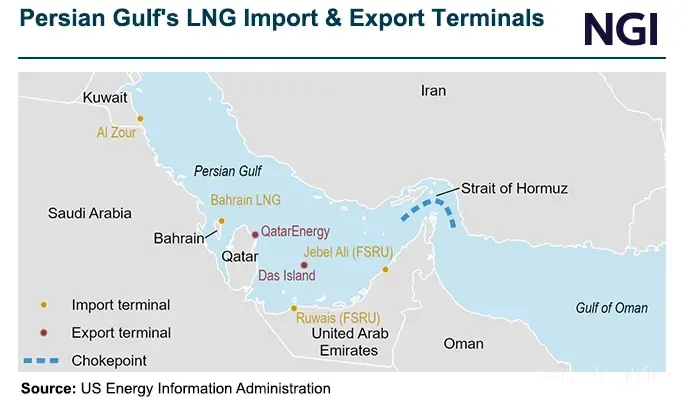
Iran and its Houthi allies in Yemen attacked energy facilities in the Persian Gulf, leading to increased volatility in the global oil market and liquefied natural gas (LNG) prices. These attacks were particularly focused on targets in the oil and gas fields in the Persian Gulf region and had significant impacts on global prices and energy security.
Details of the Houthi Attacks
In these attacks, key energy facilities in the Gulf Cooperation Council countries were targeted. For example, one of the most important targets was the "Ghawar Oil Field," with a production capacity of 5.7 million barrels per day. This field is considered one of the largest oil resources in the region, and any disruption in its production could have profound effects on the global oil market.
Economic Consequences
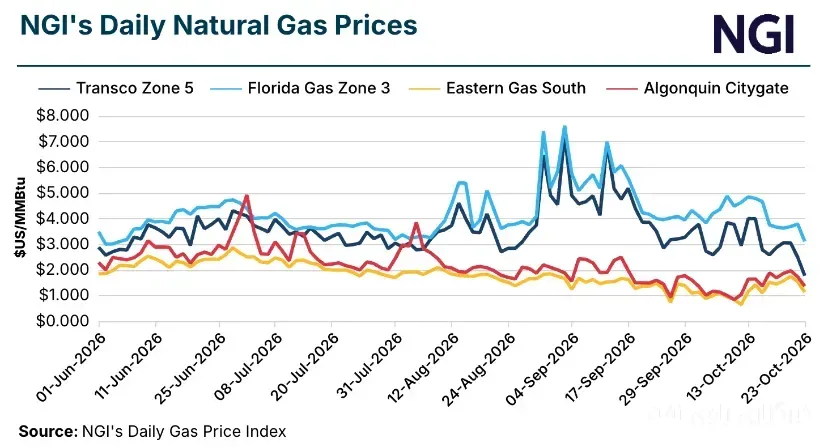
The Houthi attacks led to an increase in crude oil prices in global markets. Specifically, Brent crude oil prices rose by 3% to $85 per barrel. On the other hand, LNG prices also increased due to concerns over supply volatility in the Persian Gulf. This rise in prices could severely impact the economies of energy-consuming countries and increase energy costs for consumers.
Experts believe that these attacks could also lead to heightened tensions in the region and create more motivation for energy-producing countries to strengthen the security of their facilities. Especially considering Iran's repeated threats as a regional power and potential reactions from the United States and other countries, the security situation in the Persian Gulf will be significantly affected.
Conclusion
The Houthi attacks on energy targets in the Persian Gulf not only reflect the ongoing tensions in the region but could also have serious economic consequences for the global energy market. With rising prices and security concerns, both energy-consuming and producing countries must be prepared to address these challenges.
Read more: Strengthening maritime search and rescue cooperation in Madagascar with MSARC training program