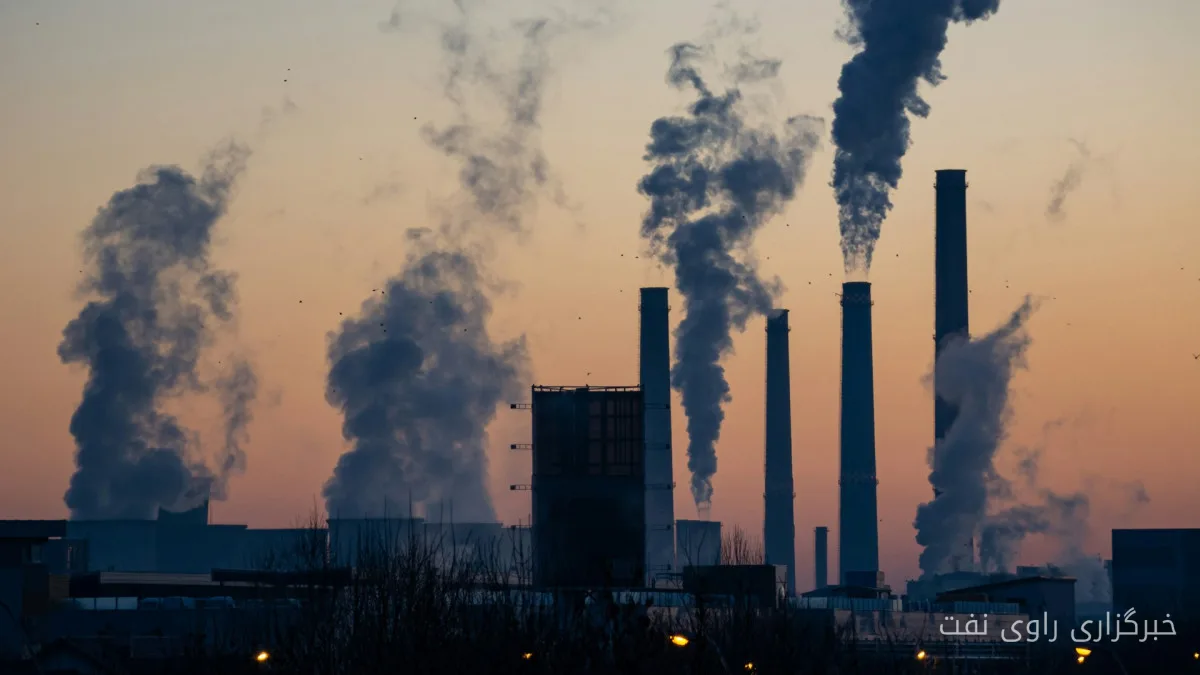
Concentrations of greenhouse gases carbon dioxide, methane, and nitrogen oxide reached their highest historical levels in 2025, which is a concerning sign for climate change. This information was published by the World Meteorological Organization (WMO).
Most Concentrated Greenhouse Gases
The concentration of carbon dioxide (CO2) in the atmosphere reached 426.8 parts per million (ppm), showing a significant increase from 377.1 ppm in 2003. Carbon dioxide is recognized as a byproduct of burning fossil fuels, biomass, and land-use changes, accounting for nearly three-quarters of greenhouse gas emissions from human activities. According to Ko Barrett, Deputy Secretary-General of WMO, the very long lifespan of carbon dioxide in the atmosphere commits the Earth to temperature increases not only for years but for decades and even centuries.
Read more: Public Participation in Environmental Assessment of Oil Projects Emphasized
Increase in Methane and Nitrogen Oxide Concentrations
The concentration of methane reached 1,948 parts per billion (ppb) in 2025. This gas, primarily associated with the use of fossil fuels, agriculture, and waste, is recognized as the second most important greenhouse gas after carbon dioxide, accounting for 16% of the warming effect on the climate. Despite its shorter lifespan compared to carbon dioxide, methane is significantly more effective than carbon dioxide in trapping heat in the atmosphere, being 84 times more potent over a two-decade period.
The concentration of nitrogen oxide also reached 339.1 ppb, which is 126% higher than pre-industrial levels. Nitrogen oxide is primarily associated with the use of nitrogen fertilizers and animal waste and is identified as the third most important greenhouse gas.
Consequences of Burning Fossil Fuels
The burning of coal, natural gas, and oil for electricity and heat is the largest source of greenhouse gas emissions globally. While fossil fuel consumption has more than doubled in the past 50 years, scientists warn that the only way to stop global warming is to reduce the extraction and consumption of fossil fuels. The International Energy Agency has urged countries to halt new gas and oil field projects to achieve a net-zero greenhouse gas emissions scenario compatible with a 1.5-degree Celsius temperature increase.
This increase in greenhouse gas concentrations indicates an urgent need for changes in energy policies and monitoring of greenhouse gas emissions to prevent serious risks from climate change.
Read more: Holding a Meeting of HSE and Non-Operational Defense Leaders in the Gas Industry · European Union and Carbon Regulations in the Global Shipping Industry