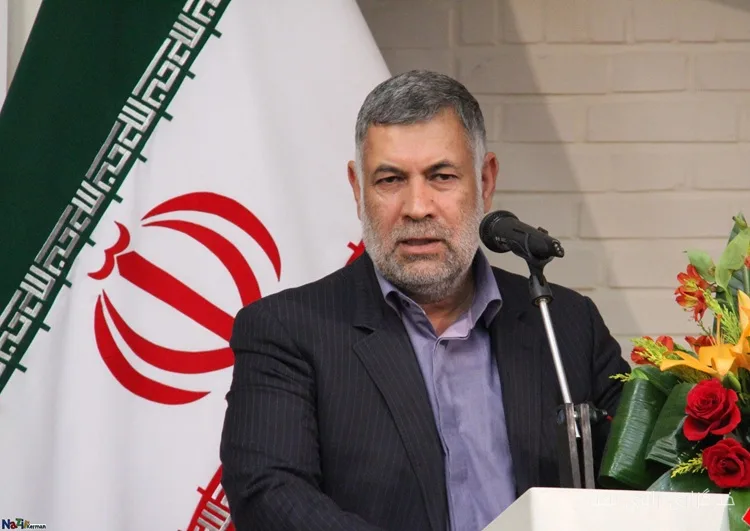
Hasanpour, a member of the Industries and Mines Commission of the Parliament, emphasized the necessity of stabilizing the gas price for steel industries until the end of the 'neither war nor peace' conditions and pointed to the significant increase in production costs in this industry.
Rising Gas Prices and Pressure on Production
He further mentioned the increase in gas rates, stating: "The gas rate, including additional items, has risen from about 8,068 tomans in August 2025 to about 24,952 tomans in September 2026; that is, it has more than tripled in this period, with an increase of about 209 percent." This price increase puts heavy pressure on liquidity and the cost of production.
Hasanpour also added: "The gas rate in the first quarter of this year was about 15,061 tomans, but in September it reached nearly 25,000 tomans; that is, an increase of about 66 percent compared to the beginning of the year. How should a production unit plan in the face of such a drastic change?"
Effects of Reduced Profit on People's Livelihoods
He stated that the share of gas from the total cost of product construction has risen from three percent in 2020 to 22.7 percent in August this year, adding: "This change shows how severely energy has pressured the financial resources of production."
Hasanpour also pointed to the connection between the steel industry and people's livelihoods, saying: "The profit of a steel company is not just a number in the financial statement; behind this profit lies the ability to pay contractors' claims, orders to domestic manufacturers, and welfare services for employees. If a steel company's profit decreases by 30 percent, the pressure will manifest in these areas."
He warned about the intensification of problems for steel units in winter, stating: "Factories have payroll, maintenance costs, and financial commitments even during gas outages. Halting production causes fixed costs to be spread over a smaller volume of product, increasing the cost of production."
Hasanpour concluded by emphasizing: "Maintaining steel capacity is crucial for job preservation, foreign exchange earnings, and a large chain of economic activities. We should not pressure revenue-generating capacity for short-term income."