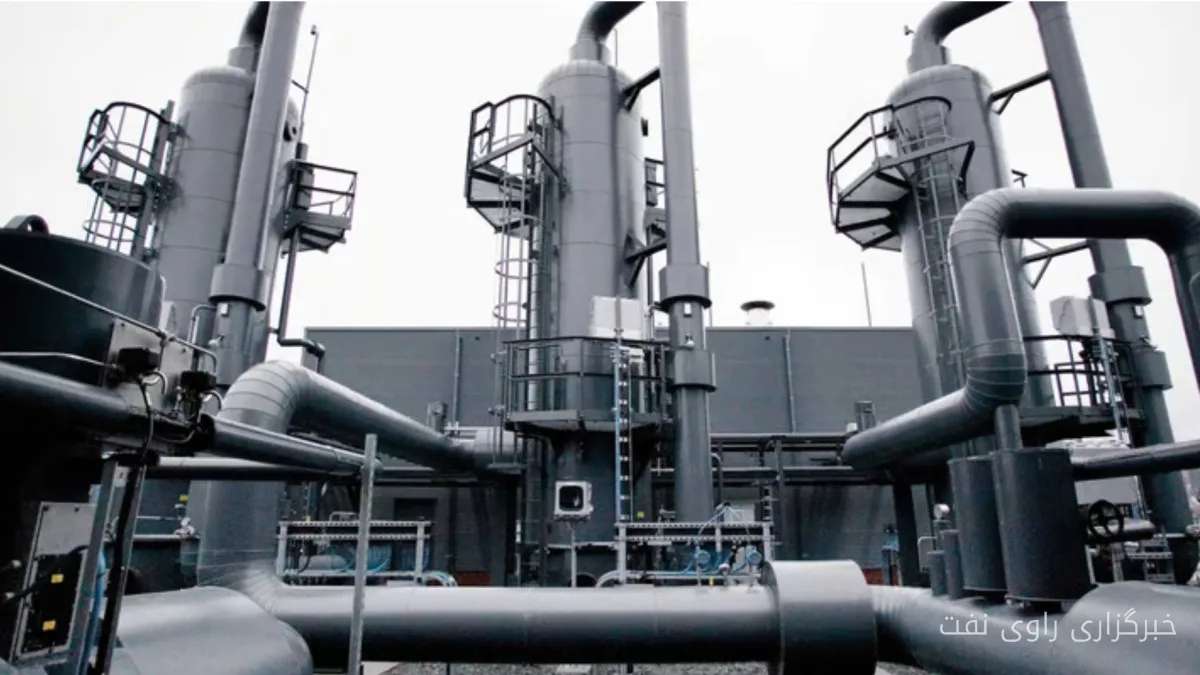
The reduction of natural gas supply from the Middle East and the Iran war has altered forecasts regarding natural gas demand and import costs. Especially in Europe and Asia, economies have turned to renewable energy and coal to compensate for the decrease in gas supply. This crisis has forced governments to reconsider energy policies, with energy security emerging as a top priority.
Decline in Global Gas Demand
This year, global gas demand has decreased due to high prices that have been unprecedented in the past four years. The gas market needs to answer the question of where gas demand will head after the current crisis ends. Despite the fact that gas is irreplaceable in many industrial processes, its share in the electricity generation mix in major countries such as the UK, the Netherlands, and Turkey, as well as large Asian countries like China, Japan, and South Korea, has decreased.
Read more: Impact of Systematic Trade Strategies on Commodity Markets in Latin America
Impact of Rising Gas Prices on Renewable Energy
The rise in gas prices has accelerated the expansion of renewable energy in Europe. This trend began when Russia invaded Ukraine in 2022, cutting off gas supply through pipelines to most European countries. The share of renewable energy in the European Union and the UK has significantly increased in recent years, and gas has become a less reliable backup fuel. According to reports, globally, the share of gas in the electricity generation mix is expected to decline for the fifth consecutive year by 2025, even though absolute gas production has slightly increased.
By 2025, it is expected that 61 out of 124 gas-fired electricity producing countries will have reached their peak gas production. However, these countries will account for about one-fifth of global gas-fired electricity production in 2025. Major gas-producing countries continue to meet their electricity demand. For example, the share of gas in China's electricity mix is expected to remain close to 3% in 2025.
Forecast for Future Gas Demand Growth
Despite current challenges, natural gas producers and exporters expect long-term demand for gas to continue. In particular, major LNG producers like Shell predict that growth in gas demand in South and Southeast Asia will lead to a 65% increase in global LNG demand by 2050. Shell estimates that global LNG demand will reach nearly 700 million tons by 2050, which is an increase of about 65% compared to 2025 levels of 422 million tons.
Furthermore, the International Gas Union stated in its 2026 report that the LNG industry, despite geopolitical challenges, has a unique ability to distribute large amounts of clean energy from various sources, reinforcing the role of LNG as a "shock absorber" in the global economy.
Read more: Increase in Spot Shipping Rates from the Far East to Europe by Xenta · Oil Price Volatility Following Contradictory Reports on U.S. Military Movements