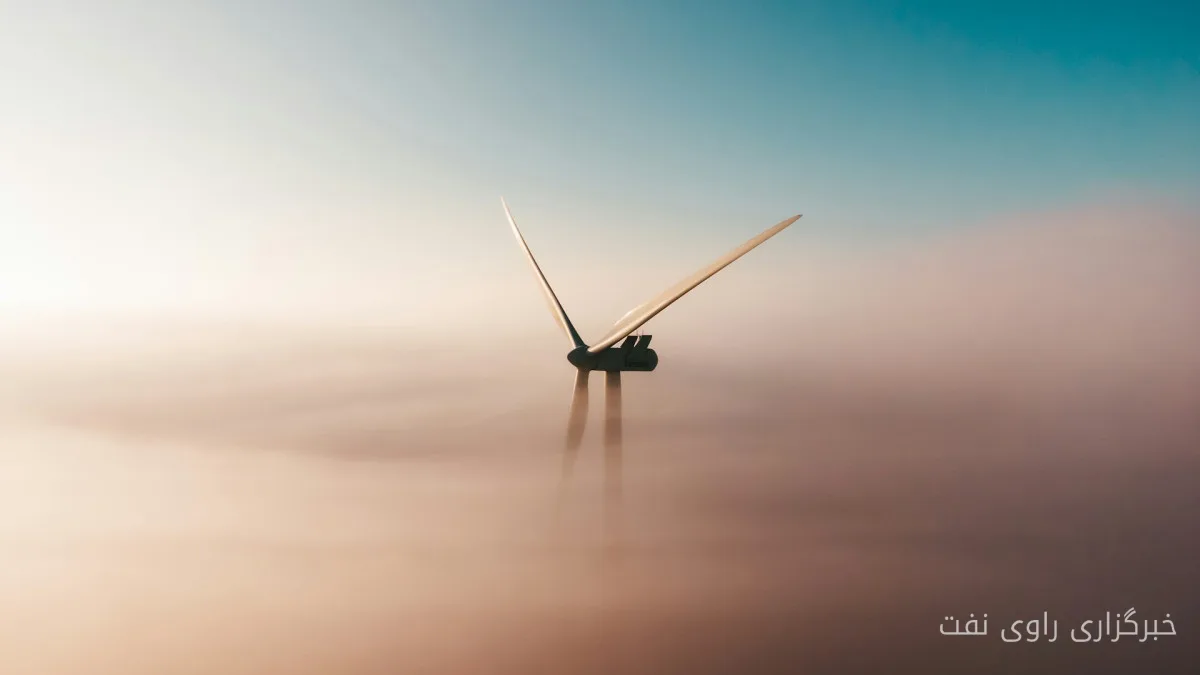
Greg Stanton, Executive Vice President of Suzlon Energy, announced that India's wind energy production capacity could double by the end of this decade. According to him, India recorded a wind energy production capacity of 6.3 gigawatts last year, and it is expected that this figure will reach 8 gigawatts this year.
Development of Wind Energy Capacity in the Next Decade
Stanton stated at the "New Economy Forum" in New Delhi that the annual installed wind energy capacity is expected to reach around 14 gigawatts by 2030. This increase in capacity comes as, in recent years, the installation of wind energy capacity in India has lagged behind the significant growth of solar energy capacity.
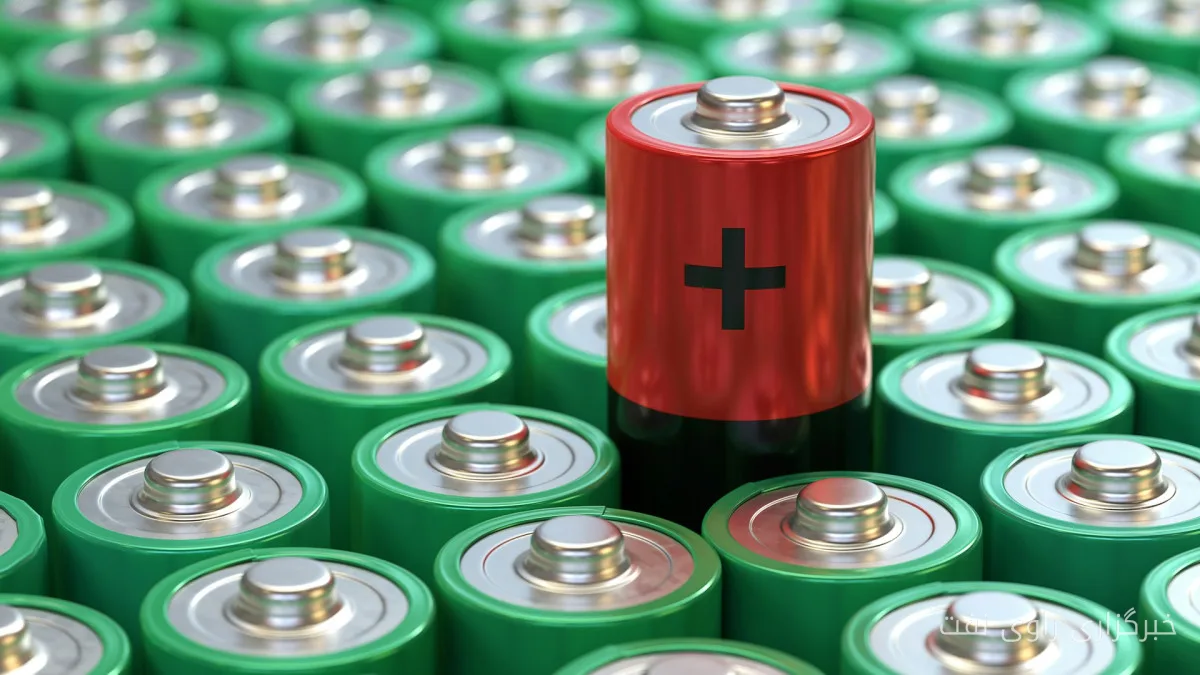
Analysts believe that the synergy of wind and solar capacities along with battery systems can enhance the supply of renewable energy and prevent existing limitations. Stanton noted that investors and developers have been leaning towards renewable projects along with battery systems.
Planning for Optimal Management of Renewable Energy
Stanton also stated that the deployment of battery storage systems will fundamentally change the conditions for India. This type of energy source will not face the fuel supply issues that coal-fired power plants encounter. According to India's new Minister of New and Renewable Energy, Pralhad Joshi, India is on the right track to achieve its goal of installing 500 gigawatts of non-fossil energy capacity by 2030, having recently reached a record of 300 gigawatts.
Currently, solar energy leads the sector with 164.59 gigawatts of installed capacity, followed by wind energy with 58.14 gigawatts, hydropower with 57.24 gigawatts, biomass with 11.75 gigawatts, and nuclear capacity with 8.78 gigawatts. These figures bring the total installed capacity to 300.5 gigawatts as of July 31.
Additionally, Indian officials have planned to implement a law starting July 1, 2027, which will require developers of solar and wind energy projects to install battery storage systems at their project sites. The aim of this law is to better manage the output of renewable energy and reduce existing limitations.