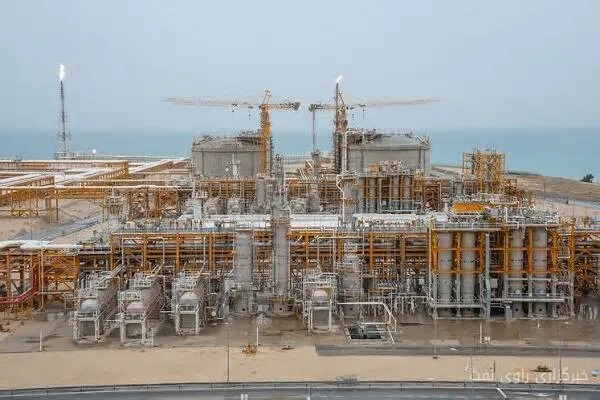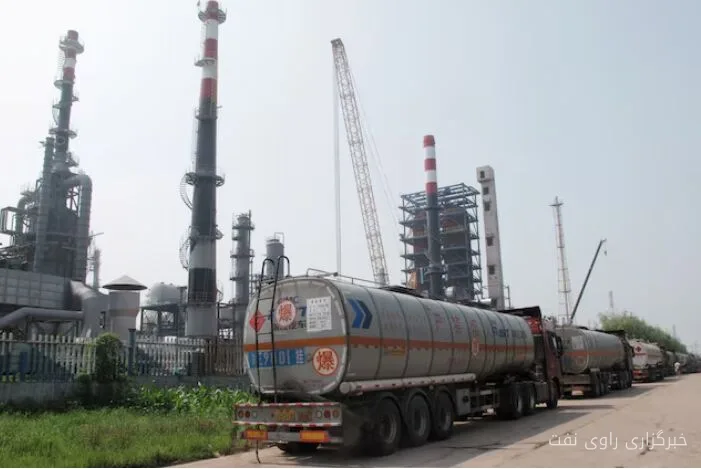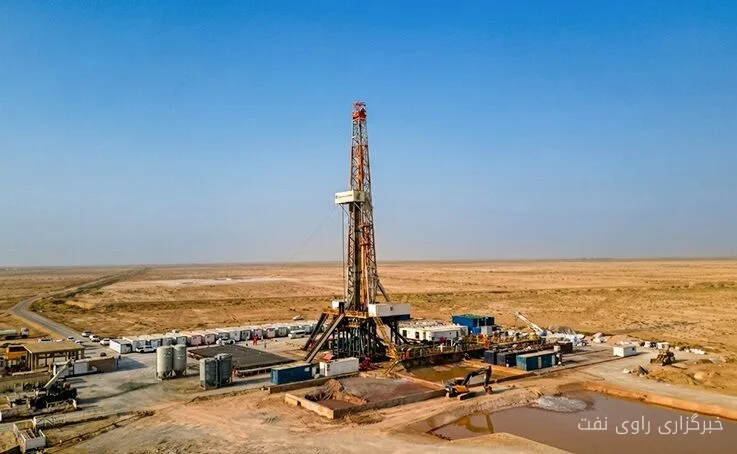
In recent days, with the rising demand for energy and fluctuations in global prices, the government is on the verge of a serious energy crisis. This situation has heightened concerns about how to manage consumption and ensure the basic needs of citizens are met.
Current Challenges in the Energy Sector
The energy crisis has been exacerbated not only by global fluctuations but also due to the inefficient management of domestic resources. While the country is striving to meet its increasing needs, many experts believe that the government must act swiftly in terms of policymaking and necessary planning.
Research shows that many developed countries have successfully prevented crises by adopting smart and sustainable energy consumption policies. But will our government learn from these experiences?
The Future of Energy and Its Impact on the Economy
In light of this crisis, many questions have arisen about its economic impacts on industries and families. Rising energy costs can directly affect the prices of goods and services and ultimately hurt people's purchasing power. Experts believe that if the government does not quickly take measures to manage energy consumption, it may face irreparable consequences.
Ultimately, the current energy crisis is a warning for the government and officials to think of practical and sustainable solutions. Will this time, the government heed the demands of the people and experts, or will we once again have to wait for larger problems to arise?