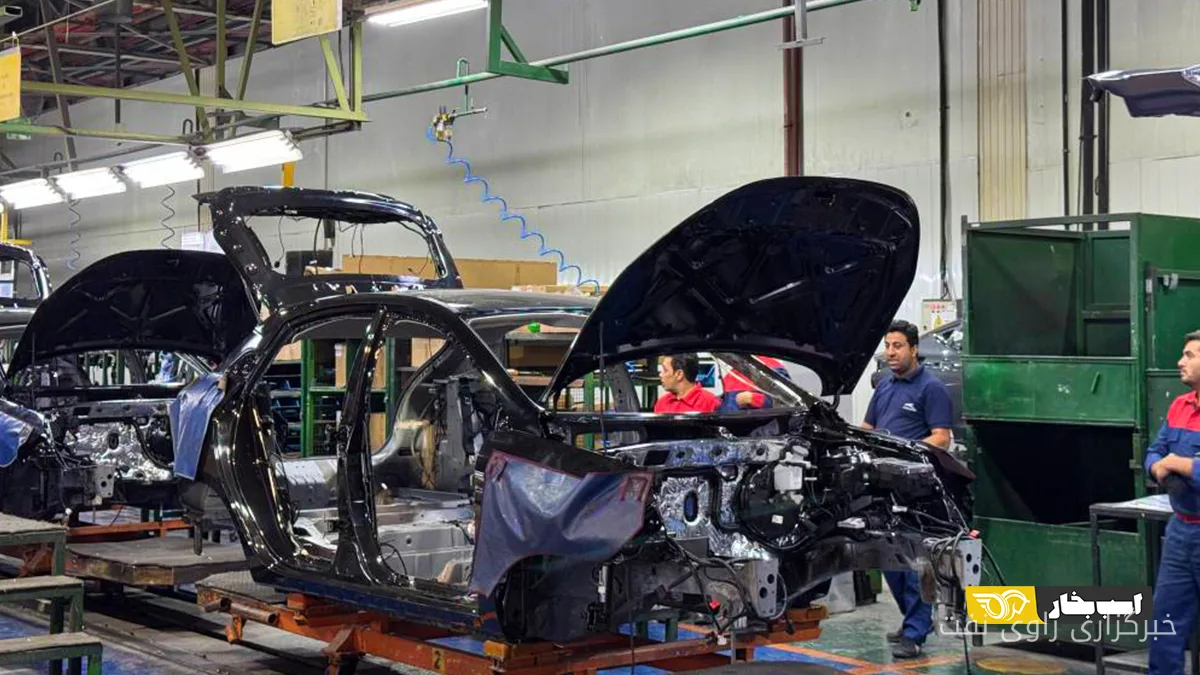
The 1406 budget circular, issued yesterday (Sunday, November 17, 1405) by the President, Massoud Pezeshkian, contains policies that could impact the automotive industry. This circular has been released at a time when the Iranian economy is facing multiple challenges, including sanctions, high inflation, and currency fluctuations.
Important Signals for the Automotive Industry
In the conducted assessments, 8 key signals from this circular have been identified that could affect currency, fuel, taxes, and production costs in the automotive industry. One of the most important of these signals is the government's emphasis on readiness for a scenario of declining oil revenues, which could have a direct impact on foreign currency resources and their allocation. The automotive industry, due to its dependence on imported parts, will face limitations in foreign currency resources.
Read more: Karvar companies help manage gas imbalance in winter
Energy Consumption Management and Taxes
The government is also examining how energy carriers are consumed in various sectors of the economy, including transportation. Issues such as actual fuel consumption and fuel smuggling are significant in this regard. Supporting working capital for industries is also one of the orientations of the 1406 budget. This is particularly important for the automotive industry, as liquidity shortages and delays in paying suppliers are among the main challenges of this industry.
Additionally, securing government financial resources through tax routes is also a priority in the 1406 budget. Examining options such as increasing the value-added tax rate could affect the final prices of taxable goods and services, including vehicles. If this policy is approved, the costs for manufacturing enterprises will increase.
Infrastructure Development and Impact on Production
The government has considered two scenarios in this circular: the continuation of trade and financial restrictions or the improvement of conditions and increased access to foreign currency resources. This approach could be highly significant for the automotive industry, as the supply of parts and raw materials is dependent on these conditions. Furthermore, attention to construction projects and greater utilization of private sector resources could influence the financing of developmental projects in the automotive industry.
The forecast of an average 35% increase in government employee salaries in 1406 could also impact the automotive market. The actual effect of this policy on vehicle demand depends on the rate of inflation and the growth of household purchasing power. If inflation outpaces wage increases, consumer purchasing power will decline, and the automotive market may face a decrease in effective demand.
Despite these signals, the budget circular still does not provide specific details about direct automotive policies. Issues such as tariffs and import duties on vehicles and the allocation of foreign currency for this industry remain ambiguous. Therefore, more information is needed to more accurately assess the impact of the 1406 budget on the automotive industry.
Read more: The Executive Vice President showcased Iran's military capabilities in the recent imposed war · The ship recycling market in Bangladesh is accompanied by strong demand