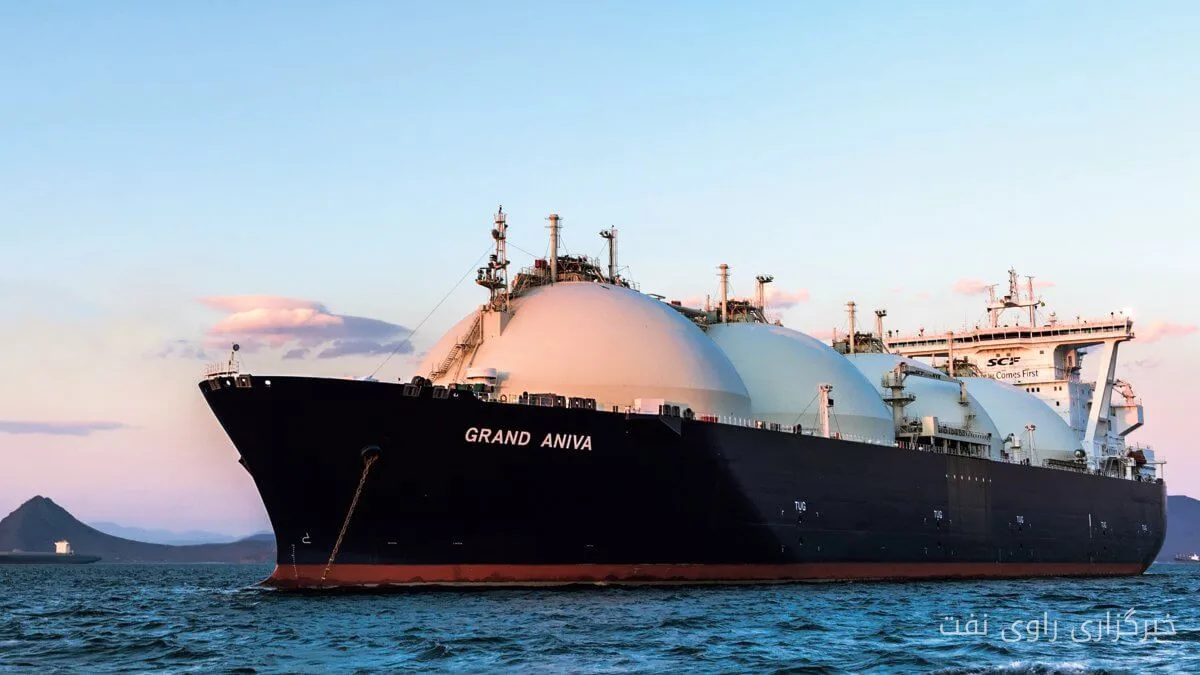
The war in the Middle East has significantly impacted global energy flows, forcing countries to reconsider supply routes and enhance energy security. As more buyers have turned to the spot market to replace disrupted volumes, estimates indicate that global liquefied natural gas (LNG) importers will spend at least $39 billion more than contracts and spot supplies in 2026, even though their purchases will be 60.7 million tons less.
Impact of Disruptions on Exports from Qatar and the United Arab Emirates
Disruptions in exports from Qatar and the United Arab Emirates through the Strait of Hormuz have forced buyers to secure replacement volumes at higher prices. The total cost of the basket is expected to reach $256 billion, which is an 18 percent increase compared to pre-war estimates. This indicates that importers face varying levels of risk depending on contract coverage, pricing benchmarks, and their ability to reduce demand.
Read more: European markets stabilize with expectations from central banks and Iran's diplomacy
Impact of the Crisis on Europe and Asia
Europe faces the largest cost increase, with liquefied natural gas costs on the continent expected to rise by at least $12 billion, or 18 percent, even though demand has decreased by 24 million tons. In contrast, East Asia is in a better position against these disruptions due to stronger long-term contracts and less reliance on spot imports.
Meanwhile, South Asia is primarily responding to the crisis through reduced imports, with Pakistan cutting purchases more than India. In the continents of Africa and South America, Egypt and Brazil have respectively contributed to rising prices and import volumes, while the Middle East has adjusted the market through demand destruction.
This crisis has revealed fundamental vulnerabilities in gas security and demonstrates that diversity in pricing benchmarks can help manage costs, but there is no guarantee of physical supply. Importers must assess their risks against supply disruptions and price risks and build their contract portfolios based on reliable delivery routes and non-replaceable demand.
Read more: Mazandaran Gas Company is ready to manage energy imbalance · Qatar Energy signs long-term LNG purchase agreement with Cheniere