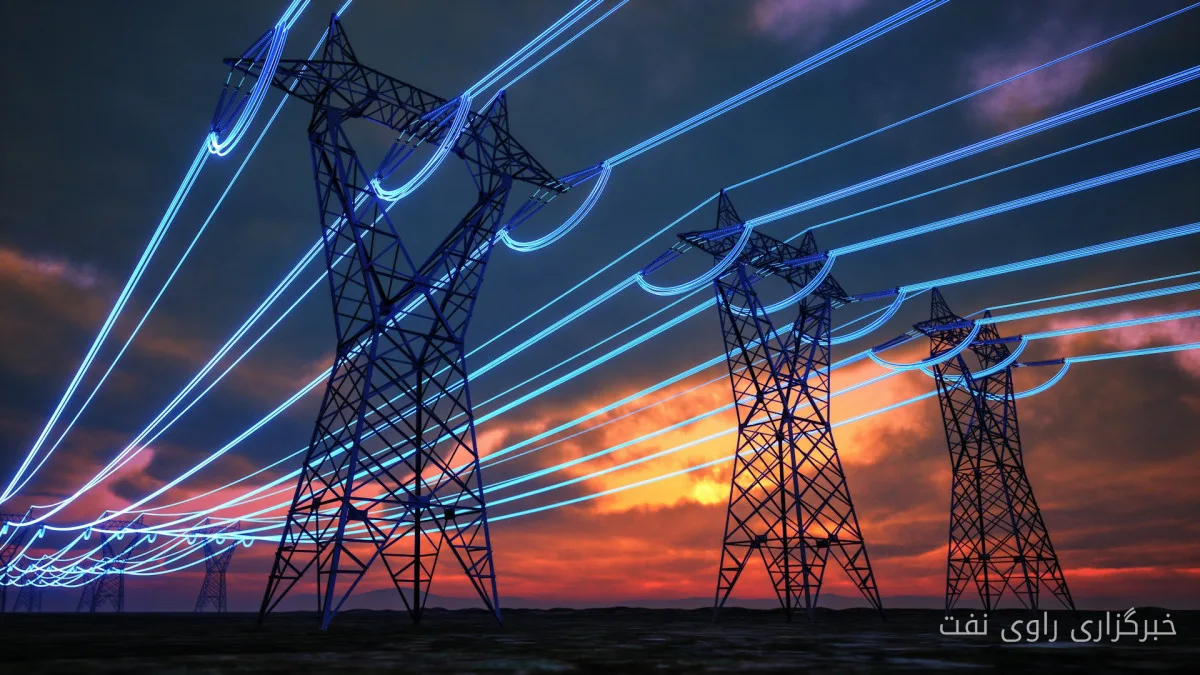
A new report from the International Renewable Energy Agency (IRENA) announced that over 21,000 kilometers of new transmission lines were built globally last year. This amount reflects a 50 percent increase compared to the previous year and is considered a significant achievement in the transition to renewable energy.
The Need for Investment in Electricity Networks
Francesco La Camera, Director-General of IRENA, emphasized that electricity networks are vital not only for the energy transition but also for achieving the global goal of increasing electrification to 35 percent by 2035. He stated that to reach this goal, investment in electricity networks must more than double and reach $10 trillion by 2035. This investment need clearly indicates that we must move from the goal-setting phase to the implementation and systematic transformation phase.
Read more: Beginning of a New Era in Shipbuilding Focused on Fuel Capabilities and Emission Performance
Challenges in the Energy Transition Path
One of the biggest obstacles in the energy transition path is the capacity of transmission lines. Because energy production from wind and solar sources is dependent on weather conditions, these energy sources intermittently generate electricity. Additionally, suitable locations for these types of installations are often far from electricity demand centers, leading to energy waste during low-demand times. This phenomenon is known as "curtailment" and incurs additional costs for alternative energy sources.
According to the International Energy Agency (IEA), countries around the world need to add or replace about 50 million kilometers of new transmission lines by 2040 to meet their commitments under the Paris Agreement. Last year, the European Commission estimated that the European Union alone would need between $2 to $2.3 trillion to improve networks by 2050.
Moreover, reports indicate that investment in electricity networks in the European Union reached $90.5 billion in 2024 and needs to increase to over $100 billion annually. These investments, despite high costs, seem essential as energy security has become a top priority for various countries.
At the same time, a new Wood Mackenzie report indicates that countries prioritizing energy security over emission reduction programs can reduce their dependence on hydrocarbon imports with faster electrification. Prakash Sharma, Head of Scenarios and Technologies at Wood Mackenzie, stated, "The energy transition has reached a real crossroads," and different countries are making varied choices to power their economies.
Since February, energy security has become a central issue, and many governments are striving to keep energy prices relatively affordable. These challenges are particularly pronounced for countries reliant on oil and gas imports, especially in Asia and the European Union. Reducing dependence on imports has been a clear path for many of these governments, with electrification recognized as a key solution.
Given the current conditions, the war in Iran has also impacted energy prices and could lead to a shift towards electrification and the expansion of wind and solar energy. This, in turn, could lead to reduced emissions, even if emission reduction is not a priority.
Turkey, as the host of COP31, has proposed that participants commit to electrification and set a goal of achieving 35 percent of final energy from electricity by 2035. Currently, about 20 percent of the world's final energy comes from hydrocarbons.
Read more: UAC Sent the First International MEGC Shipment from China · The Majority of EU Citizens Voted in Favor of a Rapid Transition to Renewable Energies