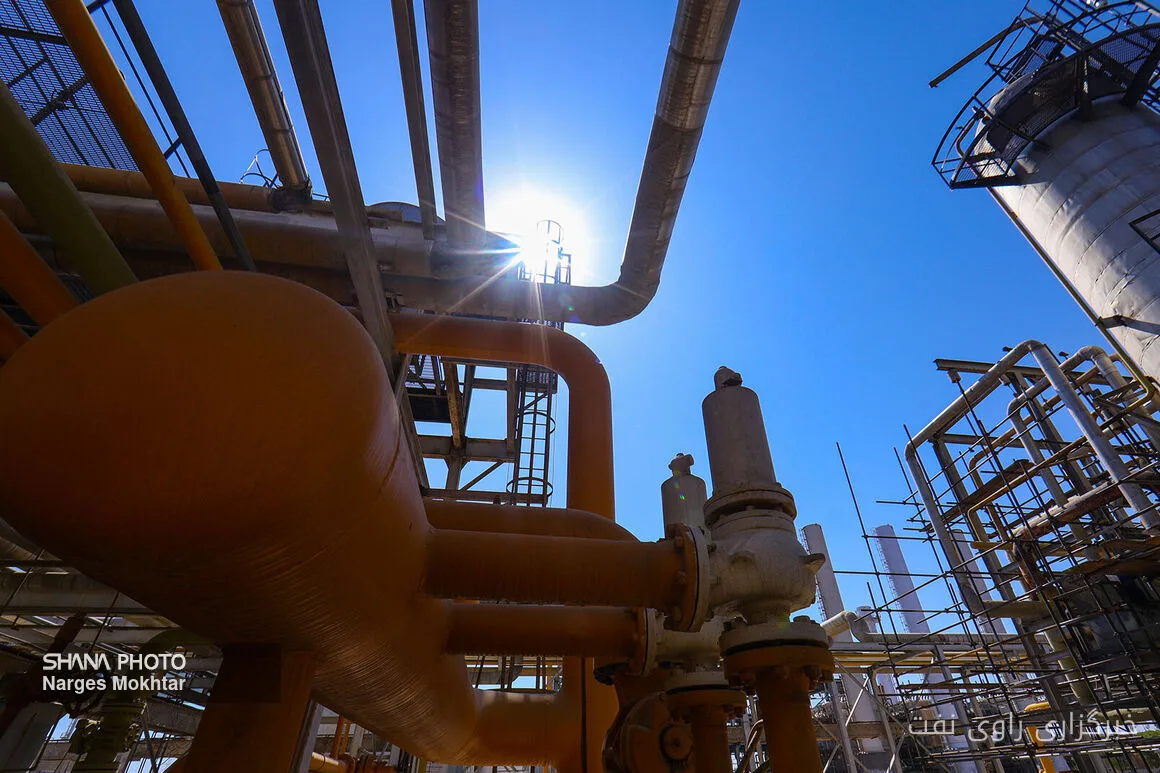
Farhad Tahmasbi, Vice Chairman of the Industries and Mines Commission of the Parliament, described the enemy's attacks on the country's energy infrastructure as targeted and pre-designed. He stated that the Zionist regime and the United States attempted to disrupt the production and supply of energy in the country through pinpoint attacks on various sectors of the oil, gas, refining, and petrochemical industries.
Impact of Attacks on Energy Infrastructure
Tahmasbi continued: "The enemy's goal with these attacks was to damage the strategic energy infrastructure and exert more economic and psychological pressure on the country. However, the oil industry has shown that with its specialized human capital and necessary management capabilities, it is able to continue its activities."
Planning for Reconstruction
The Vice Chairman of the Industries and Mines Commission also emphasized that the reconstruction of damaged facilities requires precise planning, quick decision-making, and financial resource allocation. He explained that under economic siege and the limitations imposed by sanctions, managing liquidity and securing equipment and resources for reconstruction is not an easy task.
Tahmasbi emphasized that the Minister of Oil has made appropriate decisions in these circumstances, stating: "The Minister of Oil has been able to choose the fastest possible paths for the reconstruction of damaged facilities. This shows that the management sector of the oil industry is adequately prepared and knowledgeable in critical situations."
Deep Experience and Understanding of the Minister of Oil
He pointed out the Minister of Oil's deep understanding and long experience in the industry, stating: "Paknejad is not someone who has reached the management of this industry overnight; rather, he has gradually grown within this organization and is familiar with the issues and complexities of the oil industry. This experience came to the aid of the Ministry of Oil in wartime and was able to utilize existing capacities in the best possible way."
Maximizing Minimal Resources
Tahmasbi stated: "The most important achievement of the Ministry of Oil during this period is that the enemy's attacks did not turn into a sustainable crisis in the energy sector. The Ministry of Oil maximized the use of minimal resources in these circumstances and, relying on domestic capabilities and the experience of managers and specialists in the oil industry, advanced the reconstruction process."
He also emphasized that the Minister of Oil has excelled in these conditions and deemed it necessary to appreciate the efforts of Mr. Paknejad and the team of employees and specialists in the oil industry. Tahmasbi noted: "Today, instead of creating margins, we should support the managers who have stood firm in difficult conditions so that the reconstruction and strengthening of energy infrastructure can be pursued more rapidly."
Read more: The Deputy of the Iran Commodity Exchange emphasized the importance of diversification in the production of Tabriz petrochemicals · New advancements in the British oil industry and their impact on the global market



