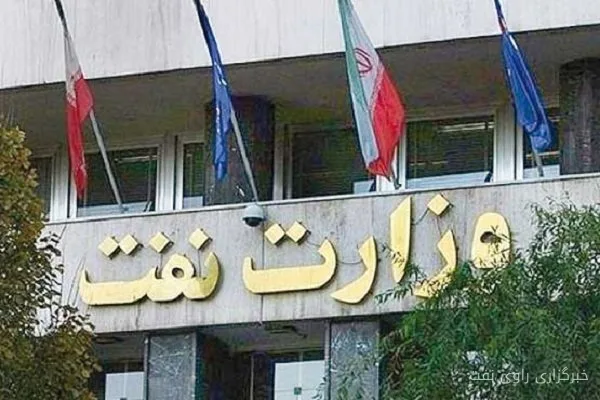
Farhad Shahroki, representative of the people of Sistan and Vice Chairman of the Energy Commission of the Islamic Consultative Assembly, in a letter to the President, emphasized the need for the Ministry of Oil to have a manager with a deep understanding of the oil industry. He stated that this industry is not just an executive body, but rather the custodian of a complex chain of exploration, development, production of hydrocarbon reservoirs, and management of the country's strategic assets.
The Necessity of Choosing a Minister from the Specialized Body
Shahroki noted in this letter that the Iranian oil industry is currently facing structural, technical, economic, and international challenges, and the selection of the Minister of Oil should be regarded as a strategic decision in the context of national security and economic stability. He believes that the Minister of Oil should be chosen from among distinguished, honest, and transformative managers to safeguard national interests.
He said: "The selection of a minister from the specialized body of the oil industry should prioritize competence, operational experience, and crisis management capabilities." According to him, the Ministry of Oil should be entrusted to a manager who has tested the complexities of this industry in the field and is capable of gaining the trust of human resources.
Challenges of the Oil Industry and the Need for Experience
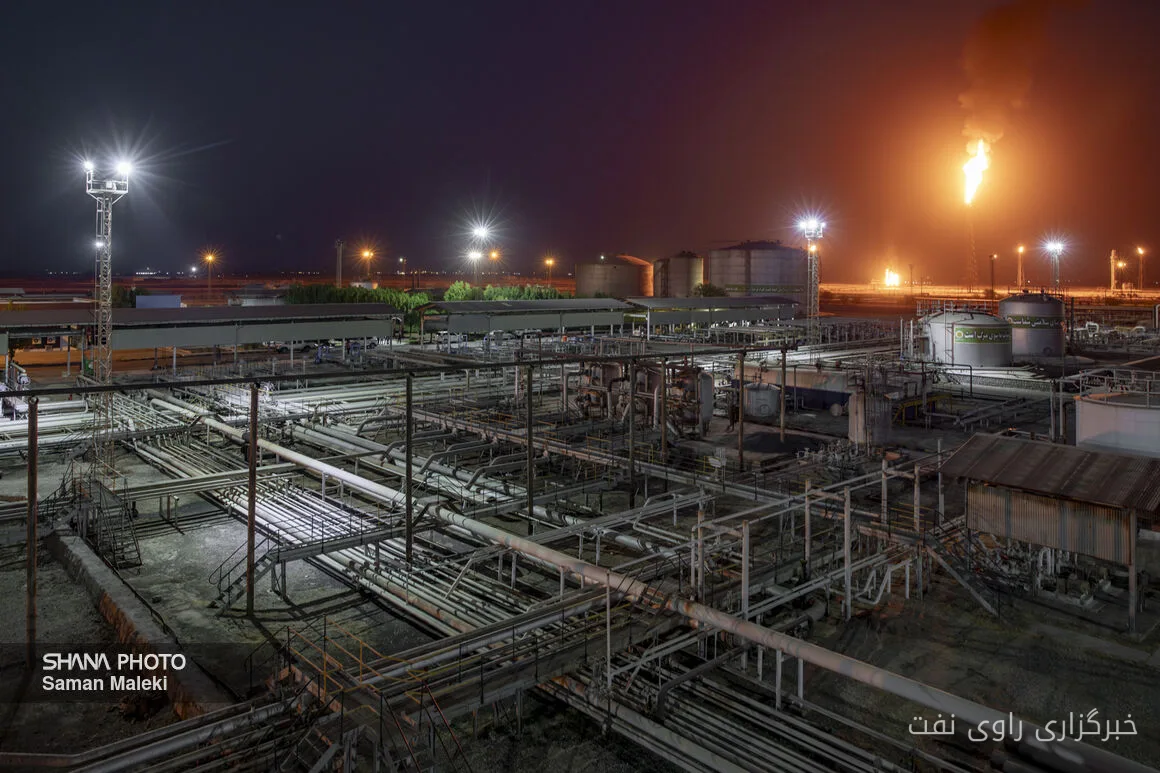
Shahroki also referred to the existing challenges in the oil industry and stated that safeguarding production from oil fields and compensating for the pressure drop in gas reservoirs, especially in the South Pars field, are issues that require precise and specialized decision-making. He added: "In an industry where today's decisions can affect the recovery factor of reservoirs and the sustainability of production in the coming decades, the lack of direct experience and deep operational understanding poses a serious risk to the national economy."
This member of parliament also emphasized the necessity of utilizing local knowledge and the operational experience of specialized managers, stating that this can lead to more accurate decision-making and reduced risks. He also pointed out that the selection of the Minister of Oil should be based on meritocracy and consideration of public interests.
Shahroki concluded by stating that the future of the oil industry should be entrusted to those who possess both the knowledge and have experienced its difficulties. He emphasized: "It is expected that in the process of selecting the Minister of Oil, qualified and tested managers will be prioritized, and the final selection will be based on performance records and the ability to present a scientific and operational program."