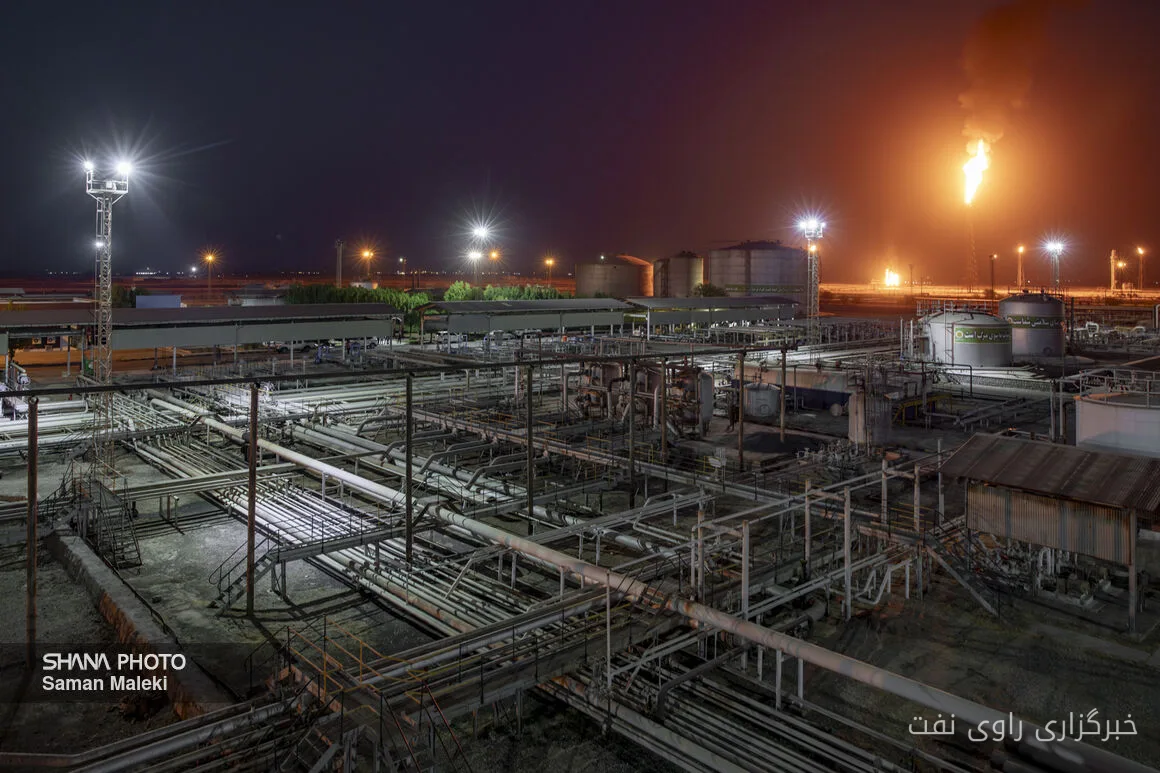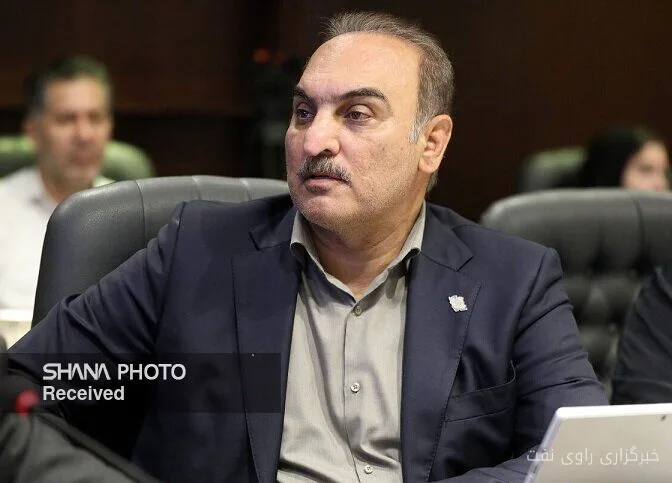
In an interview with Shana reporter, Farhad Shahroki referred to the process of reconstructing the damaged oil industry facilities and stated: The reconstruction of oil facilities, especially in the strategic South Pars complex, should be evaluated from two perspectives: the speed of restoring production capacity and the level of operational readiness to cope with peak winter consumption.
Technical Capability and Operational Experience of the Oil Industry
Shahroki added: What has been done after the damages inflicted on part of the oil industry's infrastructure demonstrates the technical capability, operational experience, and high recovery capacity of the country's oil industry. However, the final assessment is only possible when it is determined how much sustainable and reliable capacity will be available to the network during peak cold days.
The Vice Chairman of the Energy Commission of the Parliament emphasized that the end of repair operations does not mean a full return of capacity, stating: A gas processing unit is only ready for sustainable operation when it has successfully completed all stages of repair, equipment installation, technical tests, pressure and leak testing, control of instrumentation and safety systems, and finally commissioning and performance testing.
Criteria for Assessing Winter Readiness
Shahroki continued: Therefore, the main indicator of winter readiness should not solely be the percentage of physical progress in reconstruction, but rather the sustainable operational capacity, the availability factor of the facilities, and the amount of gas that can be delivered to the network during peak consumption should be the criteria for assessment.
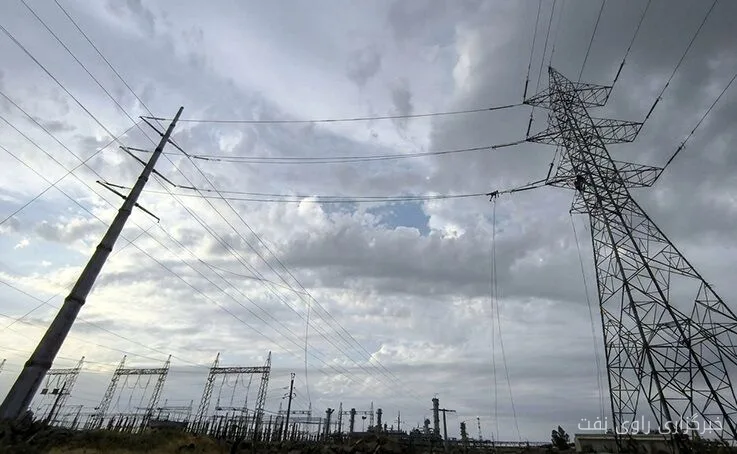
He pointed out that the reconstruction coincides with the major repairs of oil and gas facilities, saying: The overhaul program for refineries, platforms, and transmission lines should be pursued with more precision and coordination, as any unforeseen stoppage in the cold season can directly affect the balance of gas supply and demand. Securing strategic parts, enhancing the reliability of equipment, completing major repairs, and quickly restoring damaged capacities are essential requirements for the oil industry's readiness for winter, and this issue must be seriously prioritized by the Ministry of Oil.
The Vice Chairman of the Energy Commission of the Parliament stated that passing through winter is not solely dependent on increasing production, adding: One side of the energy security equation is production and supply, and the other side is consumption management. If these two aspects are not managed simultaneously, even an increase in production cannot alone guarantee the stability of the network.
Gas Consumption Savings as a National Strategy
Shahroki emphasized: Saving gas consumption is not a ceremonial recommendation, but rather part of the national energy security strategy. Even a few degrees reduction in the temperature of heating appliances and preventing energy waste, on the scale of millions of residential and commercial units, can create significant capacity for network stability.
He stated: Every cubic meter of gas that is preserved through smart consumption in the residential sector can help ensure gas supply in cold regions, provide fuel for power plants, and prevent further restrictions for industries and production units. However, managing energy imbalance is not only the responsibility of the people. The government and responsible agencies must simultaneously pursue increasing production, reducing network waste, optimizing consumption, enhancing efficiency, and developing storage.
Read more: Fire Incident Management in South Pars Based on War Lessons