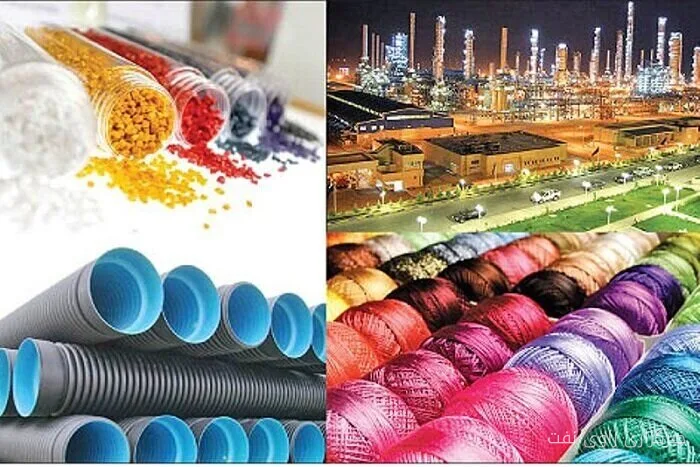
Iran's petrochemical industry, as one of the main economic pillars of the country, has faced numerous challenges in recent years. One of the major problems this industry is grappling with relates to the implementation of the Marine Industries Support Law. This law, enacted to support domestic industries, indirectly affects the export of petrochemical products and puts it under strain.
Export Challenges and Their Impact on the Petrochemical Market
In recent years, issues arising from the implementation of this law have caused disruptions in the export process of petrochemical products. According to statistics, Iran's petrochemical exports reached about 10 million tons last year, showing a significant decrease compared to previous years. This decline may be due to legal restrictions as well as the country's economic conditions.
Read more: Ukraine's Attack on Moscow and Damage to the Oil Refinery
This issue has led investors and petrochemical producers to worry about the future of this industry. Additionally, these challenges, alongside fluctuations in the global oil and gas market, could reduce Iran's competitive ability in international markets. Currently, the country's petrochemical production capacity reaches about 60 million tons per year, and given domestic needs and global demand, the necessity for increasing exports is felt more than ever.
Stock Market Growth and Its Impact on Investment in Petrochemicals
In the past three months, Iran's stock market has experienced nearly a 50 percent growth. This growth could be a sign of the stock market entering a sustainable upward phase, but at the same time, it raises the question of whether this trend merely compensates for part of the lag in the capital market relative to inflation and currency. These developments could also impact the financing of petrochemical projects.
Considering the existing capacities in the petrochemical industry, it seems that the capital market should be regarded as one of the financing pathways for new projects. However, this capacity has not yet transformed into a sustainable and scalable flow. Currently, there is a need for reforms in economic policies and laws related to the petrochemical industry to achieve sustainable and continuous growth in this field.
Therefore, Iran's petrochemical industry faces serious challenges that require a comprehensive and coordinated approach to address them. In this regard, cooperation between the government and the private sector can be proposed as one of the main solutions to the existing problems. Ultimately, attention to international markets and the creation of new export opportunities could help improve the status of the country's petrochemical industry.
Read more: Total Energy Reaches New Agreement with PDVSA to Return to Venezuela · Tunisian Olive Oil Producers; The Hidden Giants of the Market



