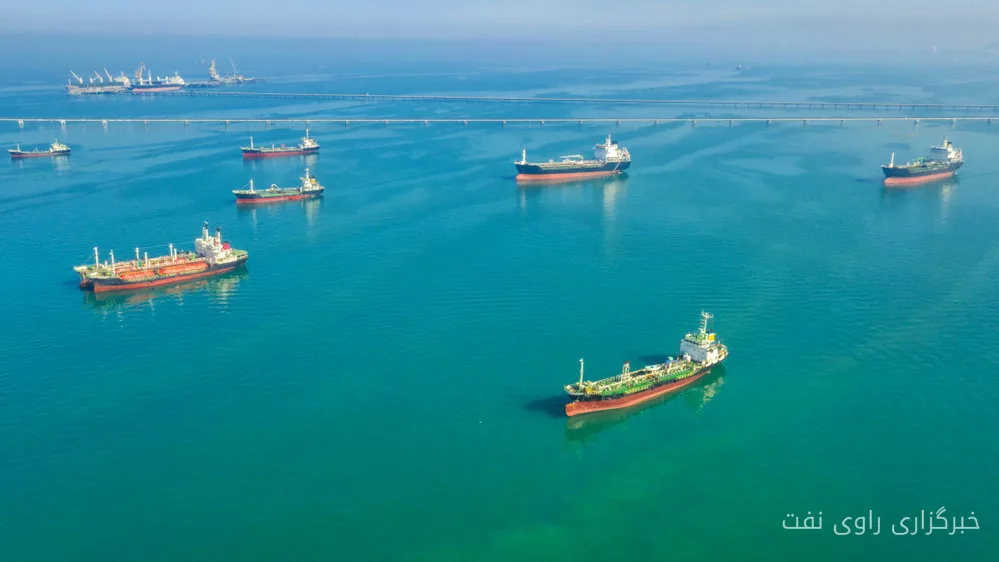
The European Union has proposed new subsidies to encourage ship owners to switch fuels. These subsidies could help reduce the costs of sustainable marine fuels while also contributing to the reduction of greenhouse gases.
EU Subsidy Program
In July, the European Commission proposed a revision of the greenhouse gas emissions trading system, under which up to 110 million permits will be allocated between 2028 and 2040 for the new SMAP (Sustainable Marine Fuels Organization) mechanism. The aim of this mechanism is to reduce part of the price gap between fossil fuels and sustainable fuels.
Read more: 4.3% Decrease in Foreign Direct Investment in China
Impact on Marine Fuel Market
Analyses conducted by Rystad Energy indicate that this proposal could lead to a change in the ranking of marine fuel costs in Europe. BioLNG and renewable electronic fuels will benefit the most from this program. For example, the SMAP subsidy could cover 55% of the remaining price gap to fossil fuels for biogas and advanced biofuels.
According to forecasts, starting in 2026, shipping companies will be required to submit ETS permits for 100% of their verified emissions, which also includes methane and nitrogen oxides. This plan will gradually reduce the intensity of greenhouse gases in the energy consumed on ships.
Challenges and Opportunities
Despite these subsidies, biodiesel fuels produced from used oils and animal fats are excluded from SMAP support. Instead, biogas appears to qualify regardless of the source. This could pose challenges for the European biodiesel industry, as about 96% of biodiesel production in the region relies on waste oils.
Ultimately, while subsidies could help reduce the price of BioLNG and renewable fuels, it should be noted that this plan is still in negotiation with the European Parliament and the European Council, and final conditions may change.
Read more: Iron Ore Price Drops to Lowest Level in Four Years · Steelpaint as a Solution for Protecting Aging Fleets in the Shipping Industry