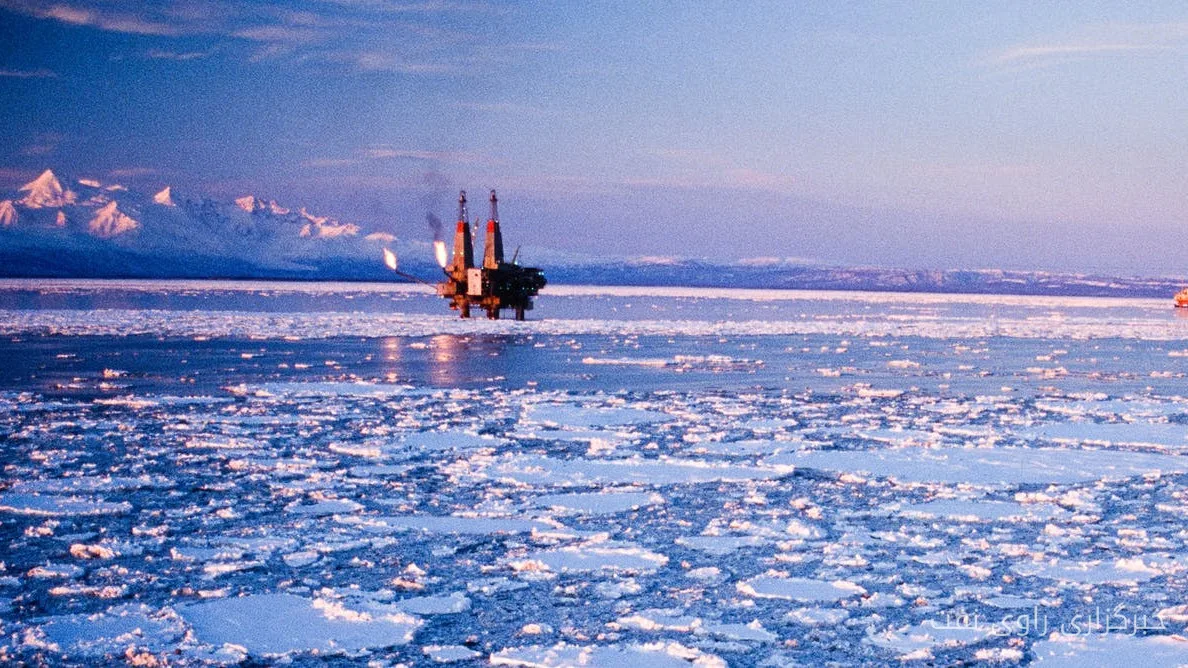
The European Union, with the release of its new strategy this week, has abandoned the exploitation of oil and gas produced in Arctic fields and emphasized that these resources should "remain in the ground." This renewed stance by the EU regarding Arctic hydrocarbons comes amid a severe fuel crisis and rising gas prices, especially before the peak demand season in winter.
Review of Arctic Field Status
The new EU strategy addresses security in the Arctic five years after the last update and provides details on plans to establish a maritime security center for monitoring and repairing underwater cables in the region. However, energy security does not seem to be the main priority of EU leadership, at least when it comes to securing oil and gas from Arctic fields.
Read more: Seventy-eight tankers registered in the shipbuilding market in 2026
A senior EU official stated: "Our position on oil, gas, and coal in the Arctic has not changed. It's very simple. We will not drill in the Arctic and we will not purchase hydrocarbons from there." At the same time, EU countries generally do not have oil and gas-rich territories.
The Situation in Norway and Its Impact on the Global Market
Norway, as the country with the largest presence in the Arctic, has clearly stated its intention to develop its oil and gas resources in the region. Terje Aasland, Norway's Minister of Energy, announced this year: "In the current geopolitical and security situation, ongoing activity in the Barents Sea is beneficial for Norway and Europe." He also noted that these areas will be developed, and ultimately the decision to purchase this gas or oil will depend on the EU.
Meanwhile, the EU is seeking to compete with Russia in the Arctic, a country that holds the largest land and coastlines in the Arctic. Given that a large part of Russia is located in the Arctic, the country has been building infrastructure, including military, transportation, and energy infrastructure in this region for nearly two decades.
Read more: Henrik Jensen warned the shipping industry about remote worker management · Winter energy crisis in Europe with declining gas reserves