England needs significant investment to meet increasing energy demands and ensure the connection of new renewable energy projects to its power grid. The National Grid Electricity System Operator (NESO) has announced that updating the country's electricity transmission infrastructure will require over £150 billion.
Power Grid Modernization Plans
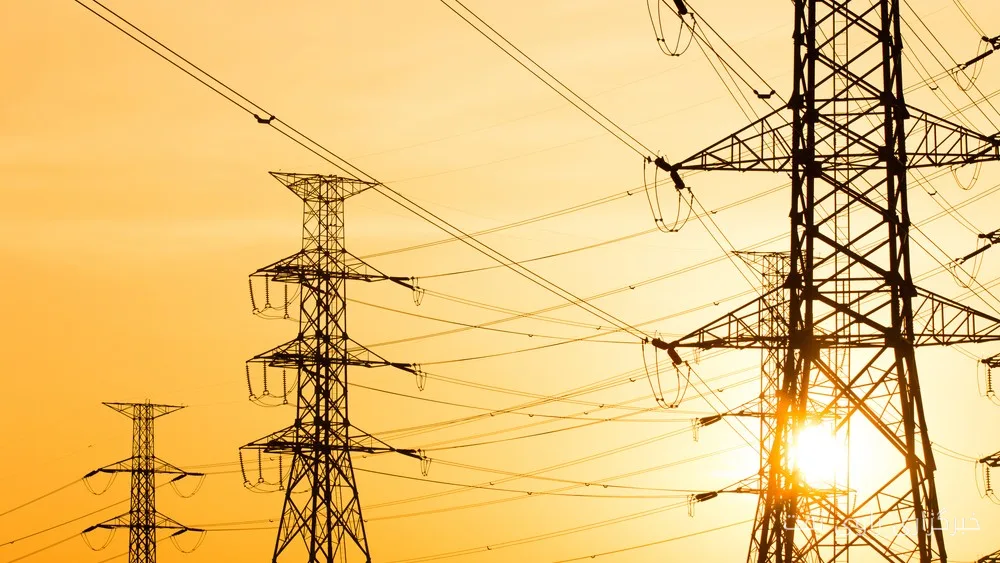
England has announced major plans to modernize its power grid, which is expected to involve building new infrastructure five times more than in the past 30 years by the end of this decade. This investment will include the construction of new towers, underwater cables, and converter stations to connect large wind and solar energy projects to the grid.
Challenges from Fluctuating Fossil Fuel Prices
The need to expand the grid has clearly increased due to the severe fluctuations in fossil fuel prices, which are related to ongoing geopolitical challenges, particularly following the wars in Russia and Ukraine and the conflict in Iran. Since the Labour Party came to power in 2024, the UK has intensified its commitment to expanding renewable energy to support a green transition.
The government set the Clean Power 2030 targets at the end of 2024, aiming to increase clean energy production from 60% to 100% by 2030.
However, to deliver this energy, England must heavily invest in the grid. NESO recently estimated that £64 billion is needed for transmission projects by 2030, with an additional £89 billion required, totaling over £150 billion.
Reports indicate that addressing the issues with England's transmission network will require over 4,000 miles of new power lines by 2041, alongside significant improvements to existing cables. The network expansion project will continue from northern Scotland to the southernmost point of England.
Investors are expected to invest £22 billion in the modernization of the Highlands, Islands, and northeast Scotland over the next five years. Additionally, £4 billion will be invested in an underwater cable project to transmit significant amounts of renewable electricity over approximately 315 miles from Peterhead in Aberdeenshire to Draks in North Yorkshire.
This expansion plan has faced negative reactions from residents due to the need to route cables through rural areas, while energy costs for consumers are expected to rise in the short term. However, these investments will ultimately reduce costs by decreasing reliance on expensive gas production.