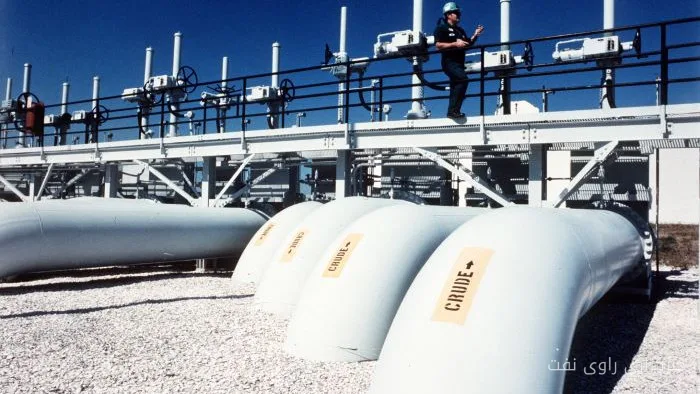
The emergency oil release, aimed at controlling prices and meeting urgent market needs, may have profound consequences for global strategic reserves. This action has raised serious concerns, especially as oil reserves approach their lowest historical levels.
Current Status of Global Oil Reserves
Currently, the world's strategic oil reserves are only about 4.2 billion barrels, which seems extremely concerning compared to the increasing demand for oil in global markets. This decline in reserves is clearly felt due to reduced production in oil fields and increased consumption in developing countries.
Oil fields such as the Gujarat oil field with a daily production capacity of 120,000 barrels and the Kish oil field with a capacity of 100,000 barrels are recognized as the main energy supply sources in the region. However, given recent crises and decisions for emergency release, these fields will come under more pressure.
Economic and Environmental Consequences
The emergency oil release will have significant economic impacts. This action could lead to increased oil prices in the future, as countries will be forced to import more at higher prices due to the depletion of reserves. Additionally, this action could exacerbate environmental crises. With increased production in oil fields, the risks of pollution and climate change also rise.
Analyses indicate that if this trend continues, oil-dependent countries, especially in the Middle East, will face serious challenges. For instance, if oil production from the Ahvaz oil field, which has a daily production capacity of 250,000 barrels, decreases, it could have significant economic and social impacts on these countries.
Ultimately, the emergency oil release is not only a threat to the world's strategic reserves but could also directly impact the future of energy and the environment. Therefore, there is a need for careful planning and sustainable strategies for managing oil resources.
Read more: Iran Gas Transfer Company's readiness for cold days is increasing · Germany withdraws 15 million barrels of oil from strategic reserves



