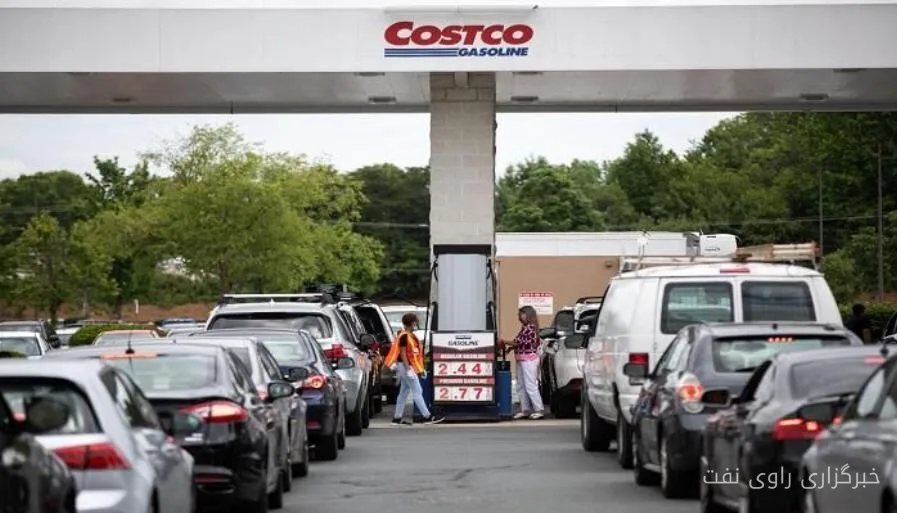
The price of diesel in the United States has reached $6.28 per gallon, with this price increase resulting from global tensions and fuel supply shortages. This price has increased by 70% since the beginning of the United States and Israeli regime's war against Iran.
U.S. Government Actions to Increase Supply
The President of the United States has recently put significant pressure on allies to release strategic reserves and increase the supply of red diesel. However, despite these efforts, diesel prices remain at an unprecedented level. The war in the Middle East and military conflicts between Russia and Ukraine have severely impacted fuel supply in global markets.
Read more: Severe Drop in University of Michigan Consumer Sentiment Index to 46.3
Economic and Social Consequences of Rising Fuel Prices
The high price of fuel has become a bigger problem for the Trump administration and the Republican Party. Especially on the eve of the midterm elections in November, the cost of living has become one of the most important issues for voters. Farmers, truck drivers, and residents of rural areas heavily dependent on diesel are under increased pressure. Polls show that Trump's approval rating has dropped to 32%, the lowest level of his presidency.
To help reduce prices, the U.S. government has signed an agreement with G7 members to withdraw 100 million barrels of oil and petroleum products. This action has been promoted as an important step, but it appears to be more related to the remnants of the International Energy Agency's plan in March to release strategic reserves rather than new supply from these countries.
Additionally, issuing permits for the use of red diesel until the end of the year is seen as another government effort to reduce prices, but this action has not been well received by industries. Caspian Konran, chief economist at the consulting firm Baringa, believes that the main problem for America is not just taxes, but a severe shortage of petroleum products in global markets.
These actions are viewed as a temporary and short-term solution ahead of the elections and are unlikely to have a sustainable impact. Currently, only the end of tensions in the Middle East and the conflicts between Moscow and Kyiv can prevent further increases in oil prices.
Read more: Copper Prices Rise Due to Supply Disruptions in Chile · Fortescue Iron Ore Sales Decline Due to Crisis with Chinese Buyer



