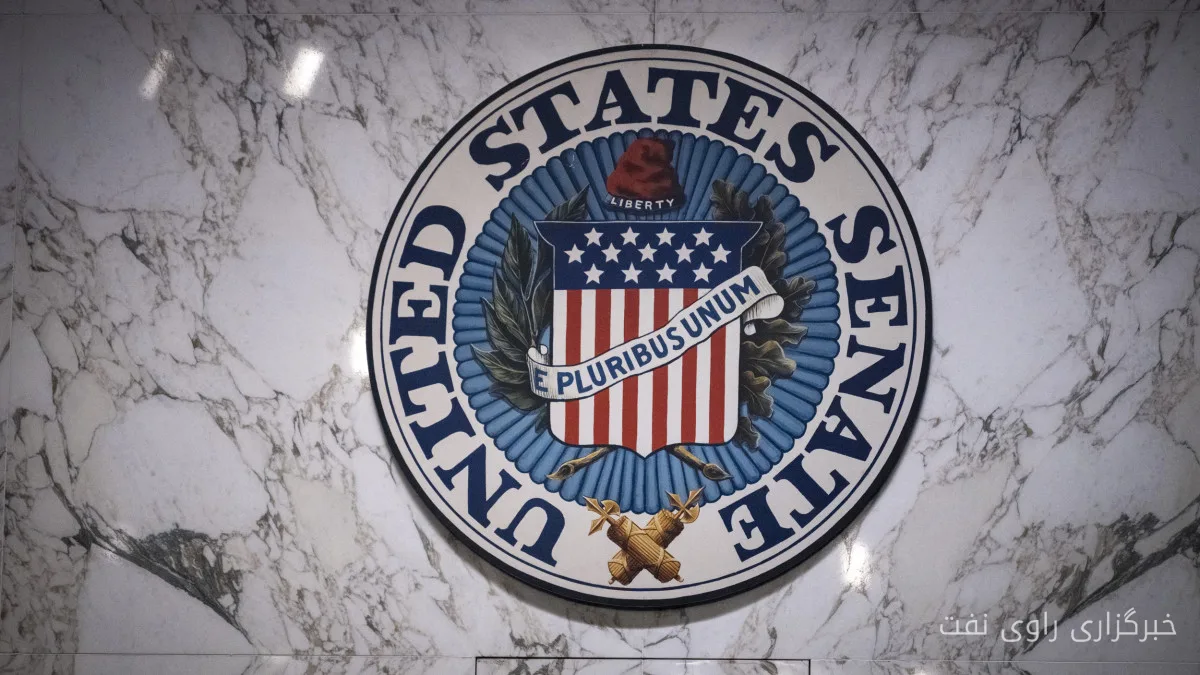
The Democrats' victory in the 2022 midterm elections in the United States, which has resulted in control of the House of Representatives and the Senate, could lead to major changes in the country's energy policies. Led by figures such as Joe Biden, the President of the United States, the Democrats are planning to limit fossil fuel-friendly policies and expand data centers.
Changes in Energy Policy
With control of both chambers of Congress and key committees, the Democrats will seek to prevent the unchecked expansion of data centers and the proliferation of fossil fuel-friendly policies. These changes come as the Democrats have Democratic governors in key states such as Ohio, Georgia, and Texas.
Read more: $10 Drop in Oil Prices Following Negotiations and Suspicious Activities
Investigations into oil contracts related to the White House, including the "largest oil contract in history" in Venezuela and the "diesel contract" with Vladimir Putin, the President of Russia, are among the top priorities for the Democrats ahead of the elections.
Challenges Ahead
With increasing uncertainty in federal policies, the Democrats are likely to try to restore some clean energy tax credits. Former President Donald Trump has stated that he will become 'Mr. Veto' if unfavorable laws are passed. Therefore, Congress, with a Democratic majority, will need to gain support from Republican lawmakers to overcome the President's veto, making energy policy changes less radical and more of a compromise.
In Texas, oil and gas engineer John Rosenthal was elected as the first Democrat to the three-member Texas Railroad Commission since 1990. Although he will be in the minority, he could influence issues related to data center permitting and wastewater disposal from oil and gas production.
The war in Iran, as the biggest international issue Congress will face, will have a significant impact on international oil prices and fuel prices in the United States. Analysts believe that the likelihood of increased tensions in Iran is greater than the likelihood of a decrease, but the Democratic Congress could pressure Trump to reach an agreement starting January 1.
Ultimately, early signs of whether agreements between the two branches of government may be effective will soon be revealed on November 9 with a vote on a bipartisan authorization bill. Both the oil industry and clean energy advocates support accelerating reforms to build America's energy infrastructure.
Read more: Weekly Market Report of Commercial Ships by Lion Shipbrokers · Democrats' Victory and Decline in Global Energy Prices