The decrease in oil prices in global markets, alongside the ongoing war and disruptions in maritime traffic in the Persian Gulf, raises important questions about the effectiveness of the Strait of Hormuz as a tool of pressure on the global economy. Recent developments indicate whether the ability of the regime in Iran to convert geopolitical threats into economic and political leverage is waning.
Decrease in Oil Prices and Changing Global Market Expectations
On November 10, 2026, the price of Brent oil reached $91.49 per barrel and fell below $90 in some trades. However, on November 11, after increasing concerns about the continuation of attacks on ships and uncertainty in political negotiations, the price of Brent returned to the range of $92 to $94. Additionally, OPEC+ oil production in October increased by 2.04 million barrels per day to 41.23 million barrels. Saudi Arabia was also able to increase its production from 8.372 million barrels per day in September to 10.563 million barrels per day.
Read more: Yangzijiang Shipbuilding's order victories are 55 percent above target
The Strait of Hormuz as a Geoeconomic Lever
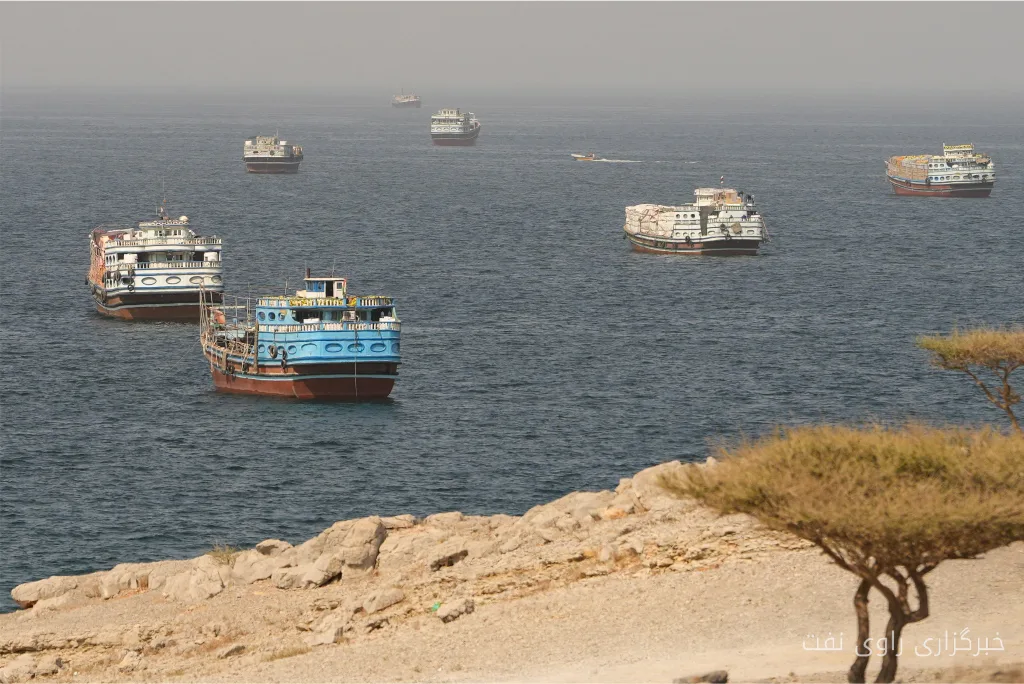
The Strait of Hormuz, as one of the most important strategic chokepoints in the global economy, remains affected by security disruptions. Tracking data shows that the average number of ships passing through in the week ending November 8 was only 3.9 ships per day, while the average for 2025 was about 85.5 ships per day. These figures indicate a significant reduction in traffic in this strategic waterway. In October, 37 ships in this area were targeted in attacks, the highest number since the start of the war.
Saudi Arabia uses the East-West pipeline to transport about four million barrels of crude oil per day to the port of Yanbu, representing about four percent of global oil supply. Saudi Arabia's ability to maintain its exports and increase production indicates the global economy's adaptation to disruptions in the Strait of Hormuz.
These developments clearly indicate the erosion of the credibility of geoeconomic threats and a change in the cost-benefit relationship. Despite disruptions, producing countries have managed to maintain part of their production and exports, reflecting the resilience of the global economic network.
Read more: The Central Asia Council convened to combat AI-based extremism · Oil prices rise amid ongoing Middle Eastern uncertainties