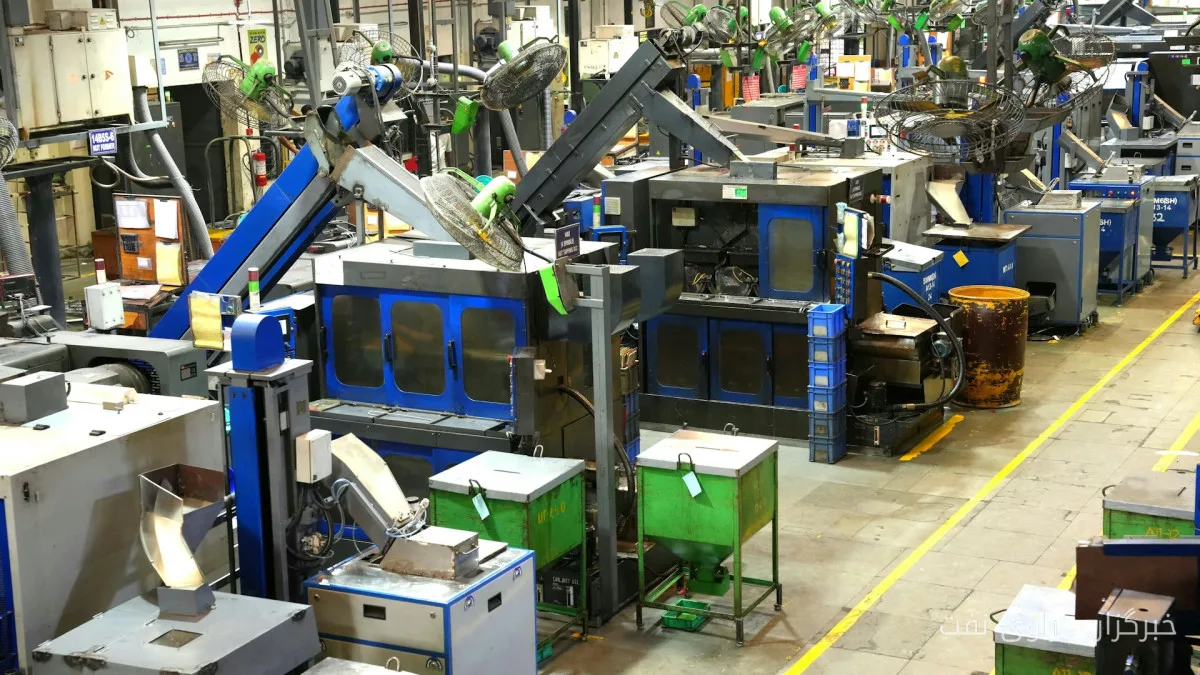
Power outages in India, especially in small factories and households, have begun due to reduced coal reserves at power plants. In recent weeks, electricity demand has significantly increased, leading to power cuts in some areas. Meanwhile, hydropower generation has sharply declined.
Increased Demand and Decreased Production
According to government data, the share of coal-fired power plants operating at critically low coal reserves has risen to over 40 percent of all active coal power plants in recent weeks. As of October 1, 85 power plants were operating with reserves below 25 percent of their normal needs. This situation indicates increasing pressure on the coal supply chain.
Read more: Meymand Dena Hosts Provincial Handicrafts Conference
Impacts on Industry and Households
Data shows that the El Niño phenomenon has led to the weakest rainfall season in the past decade in India, with temperatures at this time of year being above normal. These conditions have increased pressure on coal supply, and power plants are consuming coal at a faster rate. Power cuts have particularly affected small steel factories in Chhattisgarh, India, which are facing daily outages of between 10 to 12 hours. This situation has led to reduced production in these factories.
Households have also been affected. For example, in Uttar Pradesh, the most populous state in India with over 240 million people, some villages are facing power outages lasting seven hours a day. These outages have increased energy costs for factories and steel mills, forcing them to use expensive generators.
Read more: The Energy Sector Sees 16.5% Growth in the Third Quarter of 2026 · India and Liberia Condemn Attacks on Commercial Ships in the Black Sea and Persian Gulf



