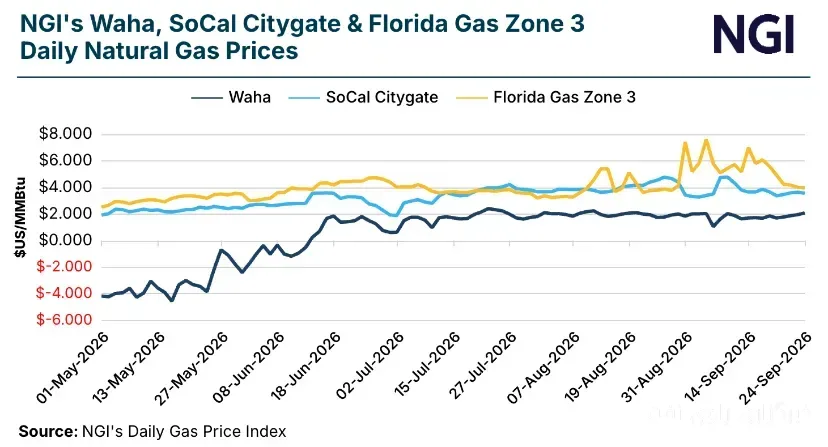
Natural gas prices in the spot market fell on Thursday due to variable weather forecasts leaning towards reduced demand. These weather changes have particularly impacted areas that usually have high demand for gas.
Analysis of Weather Conditions and Their Impact on Prices
Weather forecasts indicate a decrease in temperatures in some areas and an increase in temperatures in others. This situation has caused variable changes in the demand pattern for natural gas, and it is expected that this trend will continue in the coming weeks.
Read more: The Competition of LNG and Gas Storage in Europe Affects Prices
While some regions suffered from increased demand due to cold weather, other areas have a lower need for natural gas due to higher-than-normal temperatures. For example, in the northeastern states of the United States, the drop in temperatures temporarily increased demand, but new forecasts indicate improved weather conditions and a reduced need for gas consumption.
Economic Implications of Decreasing Natural Gas Prices
The decrease in natural gas prices can have significant impacts on energy markets as well as on consumers. On one hand, residential and industrial consumers may benefit from lower energy costs, but on the other hand, gas-producing companies may face new challenges that could harm their profitability.
Many analysts believe that this situation may lead to a reduction in investment in the extraction and production of natural gas. Additionally, large energy companies may need to adjust their strategies regarding gas supply and distribution.
Given these developments, the gas market is expected to face more volatility in the coming weeks. In this context, paying attention to weather forecasts and consumption changes can help in making better decisions in this industry.
Read more: Achieving the Goal of 35% Electrification by 2035 with Support from Iran and the U.S. · Qatar Increased the Traffic of Liquefied Gas Tankers from the Strait of Hormuz