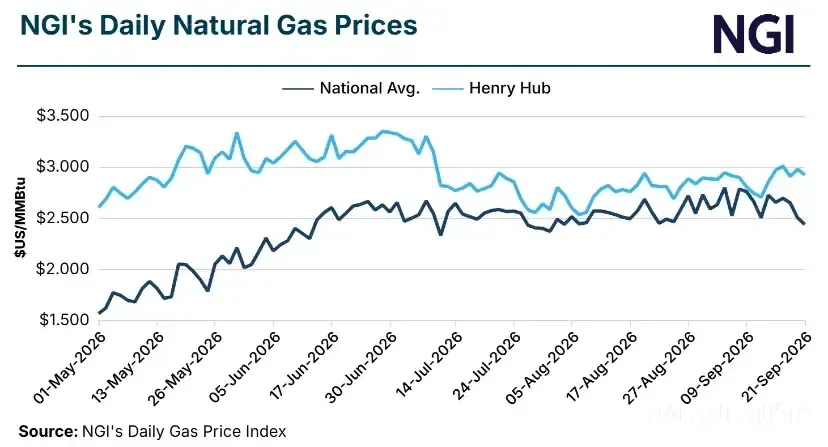
Natural gas prices in spot markets fell on Monday as mild temperatures were observed in the north and signs of warming appeared in the southern United States. These weather changes have impacted prices and gradually put them under pressure.
Impact of Temperature on the Natural Gas Market
On Monday, temperatures in many northern regions dropped significantly, leading to a decrease in demand for natural gas. In particular, weather forecasts indicate that mild temperatures could lead to reduced natural gas consumption for heating homes and industries. This situation, in turn, has caused prices in spot markets to decline.
Read more: Trends in the Asia-Pacific Transport Market in September 2026
Natural gas prices in spot markets reached $2.50 per million BTU, showing a significant decrease compared to last week. This price drop comes as global liquefied natural gas (LNG) markets also face a reduction in supply volume.
Reduction in LNG Volume and Its Impact on Prices
The volume of liquefied natural gas has decreased due to maintenance and repair schedules at several export facilities. This reduction in volume directly impacts prices in global markets. Given that the United States is one of the largest producers of liquefied natural gas, any change in supply volume can create significant fluctuations in the market.
Moreover, considering the global demand for LNG, any reduction in supply could lead to price increases in international markets. Therefore, the current situation may lead to a decrease in domestic natural gas prices while global markets may be affected.
Ultimately, based on weather forecasts and supply conditions, natural gas prices are expected to experience more fluctuations in the coming days. These fluctuations could impact the decisions of consumers, producers, and policymakers.
Read more: Iran's Persian Gulf Waterway Organization Places 77 Ships on Blacklist · Rapid Increase in Natural Gas Prices in Europe and Its Impact on Inflation



