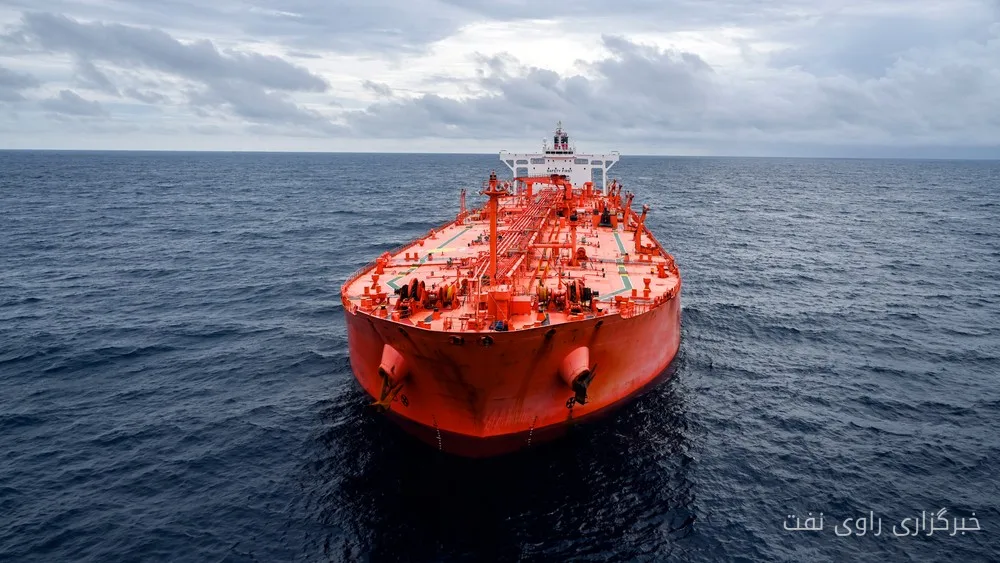
The number of cargo ships passing through the Strait of Hormuz has decreased to 12. Last week, 35 oil tankers and other cargo fleets had passed through this chokepoint.
Decrease in Traffic and Tanker Status
This data only includes oil tankers that have kept their identification devices on. Many ships turn off these devices to avoid detection, and not all trackers include them in their statistics. A report from Kpler indicates that only four oil tankers passed through the Strait of Hormuz last Thursday, which is a significant decrease compared to the 10-day moving average of 16 ships. This data suggests that Iran's pressure on movement in this waterway has increased.
Read more: Decrease in Production Halt at South Pars Platforms Led to Savings of $5 Million
Increase in Saudi Oil Exports
In the week ending September 13, only 13 very large crude oil tankers have exited the Strait of Hormuz. However, according to JP Morgan, tanker traffic is improving, especially in Saudi Arabia. This investment bank reported that oil flows from the Middle East have remained unexpectedly strong despite disruptions in Saudi Arabia's East-West pipeline. In particular, Saudi oil exports are occurring at a rate of 2.9 million barrels per day over the past six days through the Strait of Hormuz.
Saudi Arabia sends oil via pipeline to the Ras Tanura port in the Persian Gulf and then from there it is transferred by smaller ships to the Gulf of Oman, and from there to larger tankers. However, while oil flows in the Persian Gulf have increased, Saudi oil exports from the Red Sea port of Yanbu have been affected by recent attacks from the Houthi group in Yemen. This weekend saw several attacks, including on targets in Riyadh and another attack on the port of Yanbu, which has become the main outlet for Saudi oil after the Strait of Hormuz was blocked.
Read more: Gas Production in South Pars Field Reaches Peak Consumption · Weekly GMS Report: Decrease in Freight Rates and Increase in Activities on the Coasts



