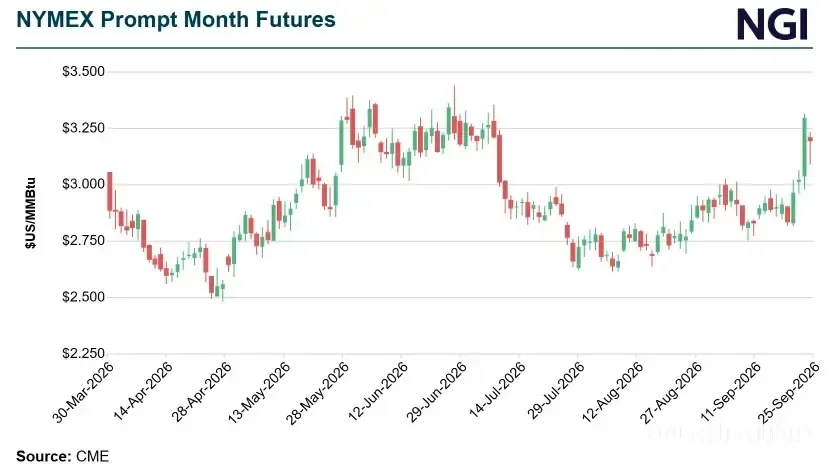
Natural gas prices fell on Friday due to traders taking profits from the recent price increases. This price rise, which reached its highest level since the summer peak, was influenced by positive changes in storage, reduced production, and a major disruption in the Appalachia pipelines.
Market Analysis and Reasons for Fluctuations
Last week, the natural gas market faced increased demand for storage and a drop in production. This situation directly impacted prices, causing them to reach their highest levels in recent months. According to reports, gas storage has significantly increased, indicating rising demand this season.
Read more: South Korea begins $22.3 billion investment in Texas natural gas project
The recent disruption in the Appalachia pipelines was also a key factor in these fluctuations. This disruption led to a decrease in supply in the market and significantly impacted prices. However, with a return to normalcy in some pipelines and increased production, it is expected that pressure on prices will ease.
Consequences and Predictions
Market analysts believe that with increased production and a return to normal conditions in the pipelines, prices may decline again. These changes, especially in the winter season when demand for natural gas peaks, could have significant effects on the market.
Additionally, given the recent fluctuations, many traders are reassessing their strategies to capitalize on these variations. In this context, it is expected that prices will be influenced by multiple factors in the short term, and we may witness further fluctuations.



