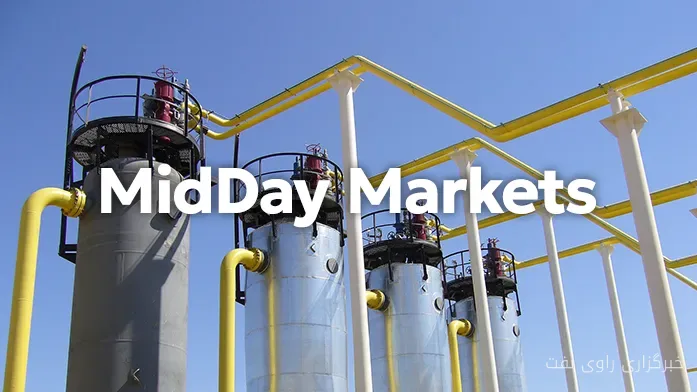
The decline in natural gas futures prices in global markets due to forecasts of reduced demand in the low-consumption season has attracted the attention of analysts and industry players. In the first session of natural gas futures contracts in November, weak seasonal demand has put pressure on prices, while reduced production and the balance of storage against historical norms are considered a positive factor for the market.
Impact of Low-Consumption Season on Demand
The low-consumption season is typically associated with lower demand for natural gas. During this time, many industries reduce their consumption due to decreased heating and cooling needs. This has caused natural gas futures prices to come under pressure in recent days. According to available data, natural gas demand in this season has decreased by 11 percent compared to last year.
Read more: Positive Performance of the Ministry of Oil in the Reconstruction of Oil Facilities
Natural Gas Production and Storage
At the same time, reduced natural gas production and improved storage balance against historical norms have acted as a supportive factor for prices. Natural gas production in the United States has reached 97.6 billion cubic feet per day, showing a 2 percent decrease compared to last year. Additionally, natural gas storage in the United States currently stands at 3.4 trillion cubic feet, which is 16 percent lower than the five-year average.
This balance between reduced demand and production has led analysts to conclude that natural gas futures prices are likely to be influenced by more volatility in the short term. In this context, some analysts predict that prices may rise in the coming weeks, especially if the balance of demand and supply shifts in favor of producers.
Future Market Predictions
Market analysts believe that although the current low-consumption season has led to reduced demand, as winter approaches, demand for natural gas will significantly increase. This prediction could lead to rising prices and an improvement in the situation for producers. Additionally, under current conditions, many producers are looking to optimize production processes and reduce costs to remain competitive in this market.
Ultimately, considering all the factors affecting the natural gas market, it is essential for producers and consumers to pay attention to these fluctuations in their planning and to adjust their strategies based on accurate analyses of market conditions.
Read more: Forecast of Canadian Oil Sands Production to 3.5 Million Barrels per Day by 2026 · Iran Talks Lift Pressure off Rising Oil Prices



