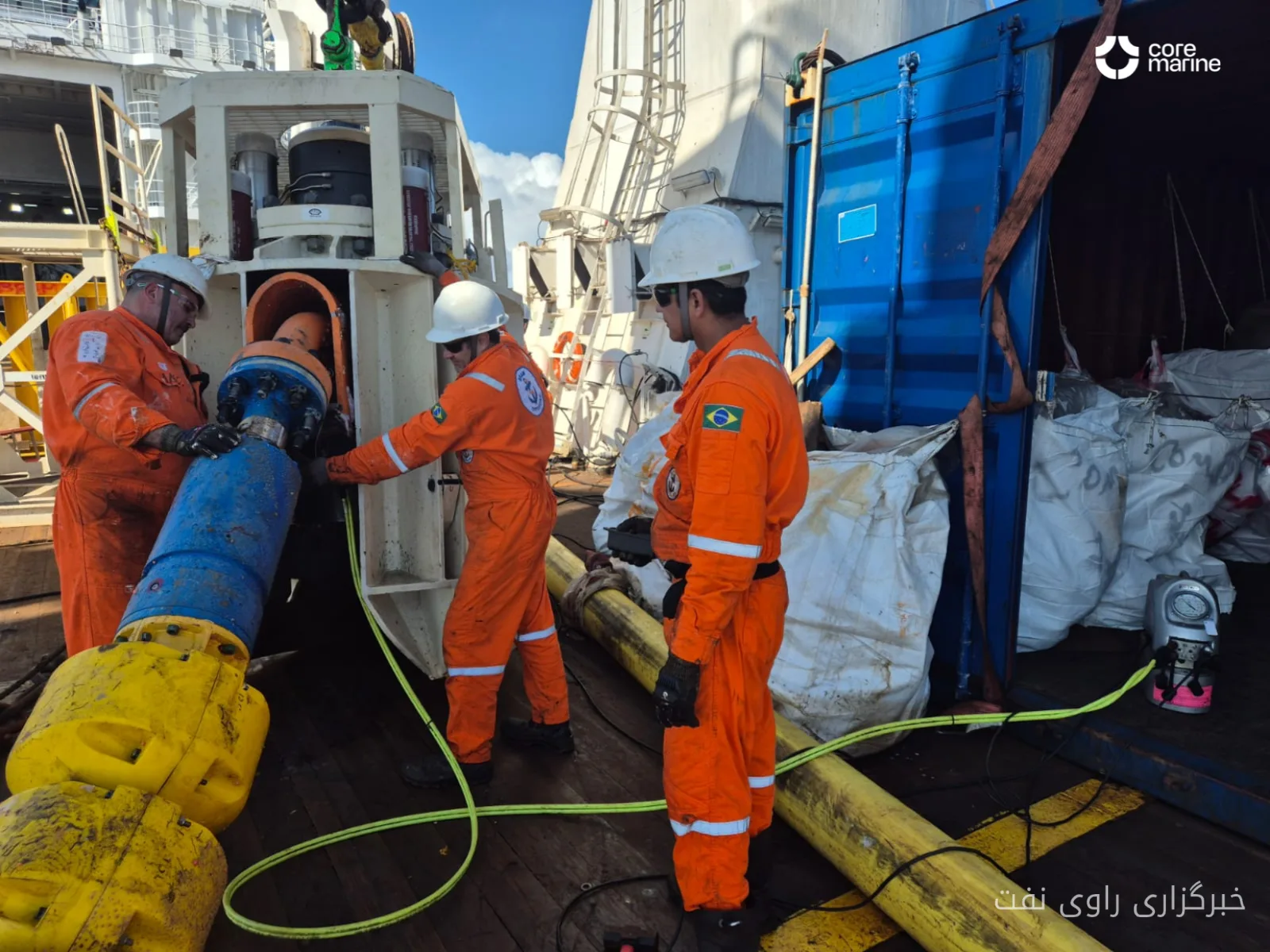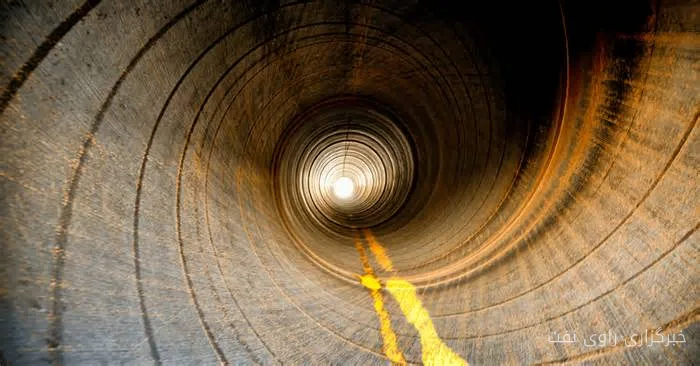
The recent damage to Saudi Arabia's East-West pipeline has clearly highlighted the existing limitations in the energy supply options of this country. This pipeline, with a daily capacity of 5 million barrels of oil, is considered one of the most important oil pipelines in the world, responsible for transporting crude oil from Saudi Arabia's eastern oil fields to the western coasts and export ports.
Details of the Damage and Market Impacts
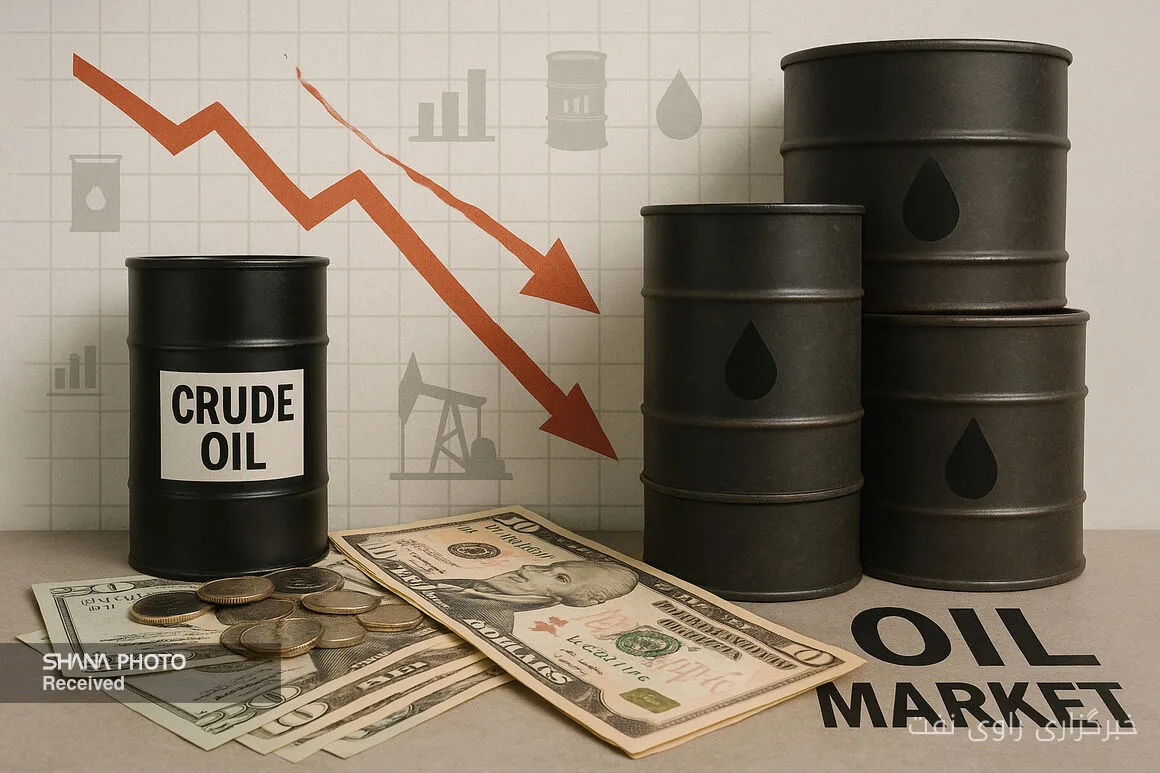
According to experts, the damage inflicted on this pipeline could directly affect oil supply in global markets. Since Saudi Arabia is recognized as one of the largest oil producers in the world, any disruption in the oil transportation systems of this country could trigger a wave of price fluctuations in international markets. This issue becomes even more significant in a context where global demand for oil is gradually increasing.
Future Predictions and Possible Solutions
Emily Ashford, Head of Energy Research at Standard Chartered Bank, predicts that such damages could put pressure on other pipelines and oil facilities in Saudi Arabia. This situation may also lead to increased investment in new infrastructure and improved storage capabilities in the country to prevent similar issues in the future.
Moreover, experts believe that Saudi Arabia should focus on developing and diversifying its energy supply options to become more resilient against market fluctuations and similar crises. Especially in a context where global attention to renewable energy has increased, diversification in the energy supply structure could help maintain Saudi Arabia's position in the global market.
Read more: Brent crude oil price reached $104.24 · Diesel market analysis as the harvest season and winter heating approaches