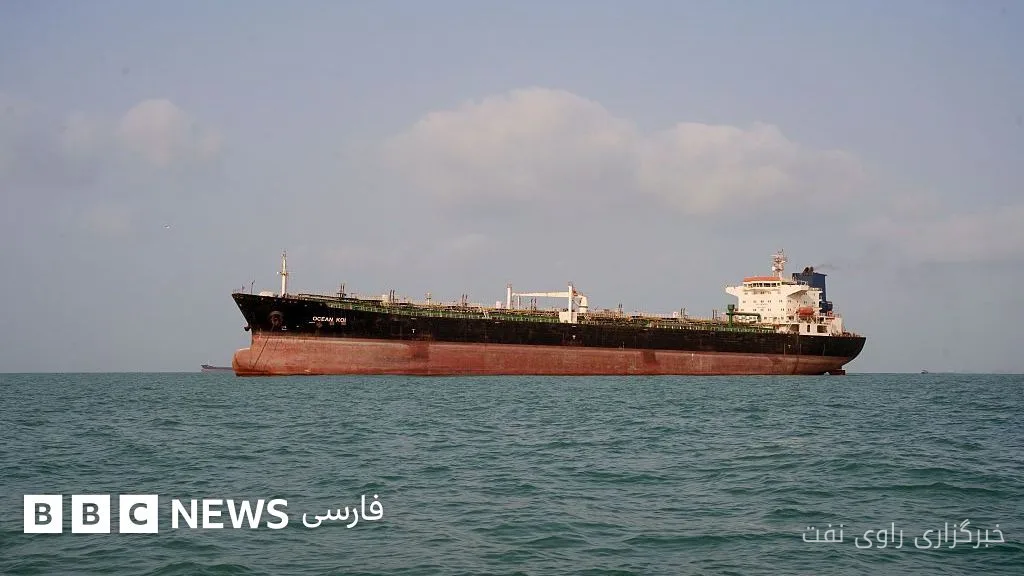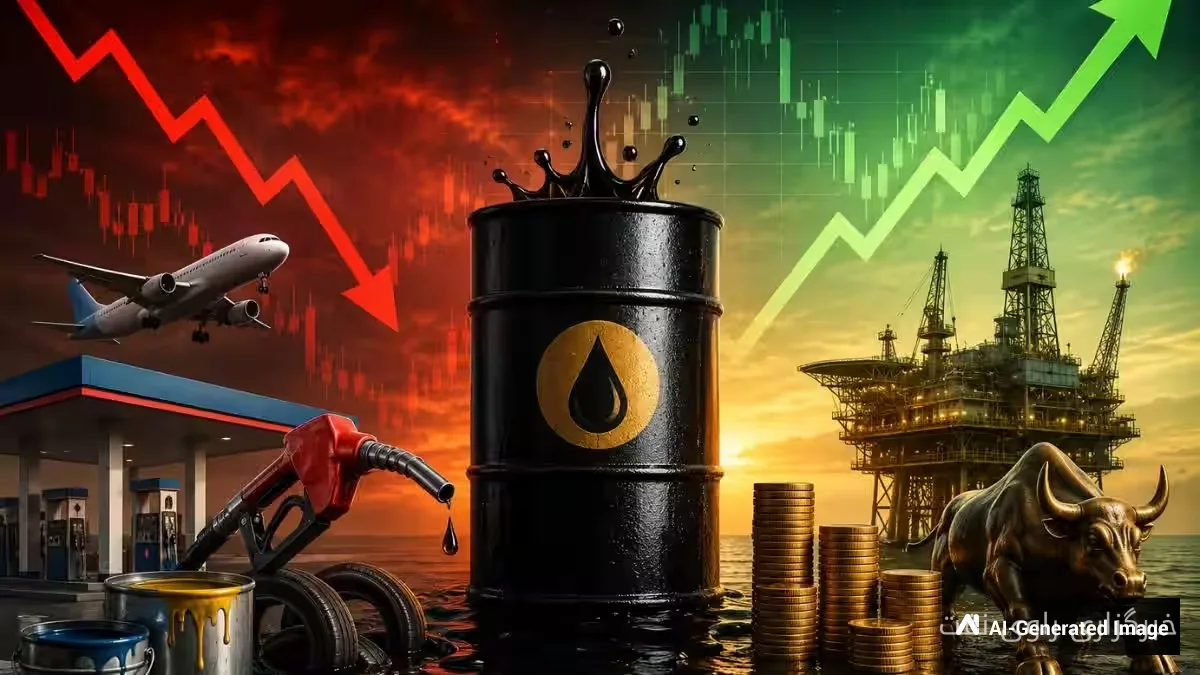
The price of crude oil has recently reached unprecedented levels, with Brent oil hitting $107 and U.S. crude oil reaching $102 per barrel. This price increase will not only affect energy markets but will also have an impact on all economic sectors, intensifying concerns about the energy crisis.
Impacts on Various Sectors
The increase in oil prices will particularly have direct and significant effects on the transportation, FMCG, fuel, LPG, CNG, and PNG sectors. For example, airlines will face rising fuel costs, which could lead to increased ticket prices and, consequently, a decrease in demand for air travel. On the other hand, the FMCG sector is also facing rising production and transportation costs, which is likely to affect the final prices of goods.
Since energy prices are directly related to the costs of producing and distributing goods, this price increase could lead to rising inflation. In fact, given the current market conditions, it is expected that consumers will face rising prices for essential goods in the coming months. This situation could become particularly critical in developing countries that are more dependent on energy imports.
Future Outlook
Considering the current outlook, it seems that oil prices will continue to experience significant fluctuations in the short term. Economic analysts believe that stability in the energy market requires serious actions from governments and international institutions. Meanwhile, the main question is whether oil-producing countries will be able to control prices and prevent the exacerbation of the energy crisis.
Ultimately, the current state of the oil market and its impacts on various economic sectors highlight the necessity of focusing on energy resources and striving to create sustainable solutions in this area. With rising prices, we should expect major changes in consumer behavior and economic policies.