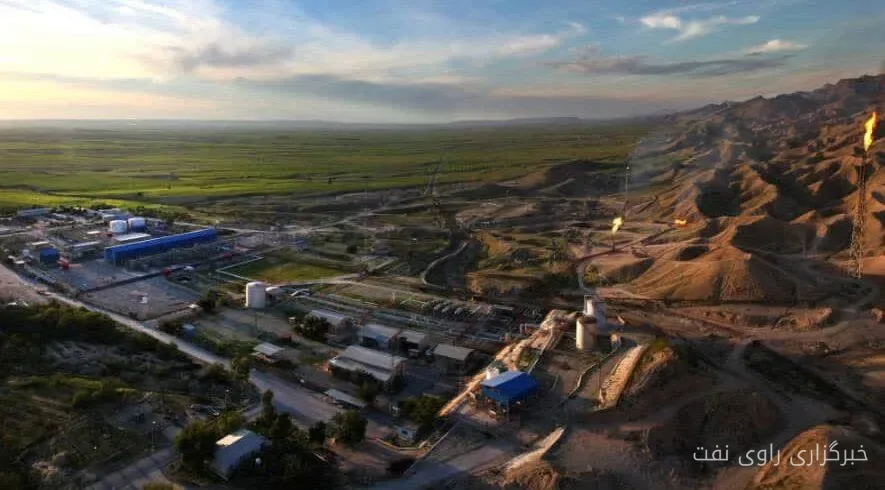
The Parsi-82 well was drilled to describe the Asmari formation at the far western end of the Parsi field, and its drilling operations were completed in 2014. Due to the poor quality of the reservoir rock and operational limitations, this well remained shut in at zero pressure.
Need for Detailed Studies
The western section of the Parsi field required detailed studies and production performance analysis over an extended period due to geological complexities, the presence of faults, and reservoir ambiguities. Therefore, after reviewing reservoir data, logs of adjacent wells, and completion conditions, a plan for the rehabilitation and revival of the Parsi-82 well was put into action.
Restoration and Production Operations
Gholamabbas Roshanizadeh, head of the reservoir operations department at the National Iranian South Oil Company, announced that restoration and completion operations, including plugging and additional perforation in several stages, were carried out in collaboration with the Operations Engineering Department and the Aghajari Oil and Gas Production Company. Ultimately, after conducting flow tests and confirming oil dominance in the produced fluid, the Parsi-82 well was put into production for the first time with a flow rate of approximately 500 barrels per day.
Effective Step in the Development of the Parsi Field
This achievement is the result of reservoir studies and analyses conducted in the Reservoir Operations Engineering Department and collaboration with other specialized units of the Oil Engineering Deputy, as well as the Aghajari Oil and Gas Production Company. By integrating engineering studies and executive actions, the groundwork for the revival of this well and the identification of production capacities has been laid, marking an effective step in the development of the western section of the Parsi field.
Read more: Brent Falls 7% Under Influence of Iran Peace Hopes · Strathcona Resources to Acquire Greenfire for $2.1 Billion