The Bab el-Mandeb Strait and the Strait of Hormuz, as two key oil transportation routes in the world, are facing serious challenges due to recent developments. The Houthis currently control the shores of the Red Sea in Yemen, the port of Mokha, and the island of Perim, from which they can monitor and threaten one of the most important maritime transport routes.
Impact of Threats on the Oil Market
Considering that approximately 20 million barrels of oil pass through the Strait of Hormuz daily, which is equivalent to one-fifth of global petrochemical consumption, any disruption in this route is extremely concerning. Additionally, in 2023, the Bab el-Mandeb Strait has transported about 8.7 million barrels of oil per day. As a result, any threats in these areas not only affect prices but also impact global energy security.
Read more: Saudi Arabia and the UAE Halt Hormuz Negotiations
Changes in Oil Transportation Routes
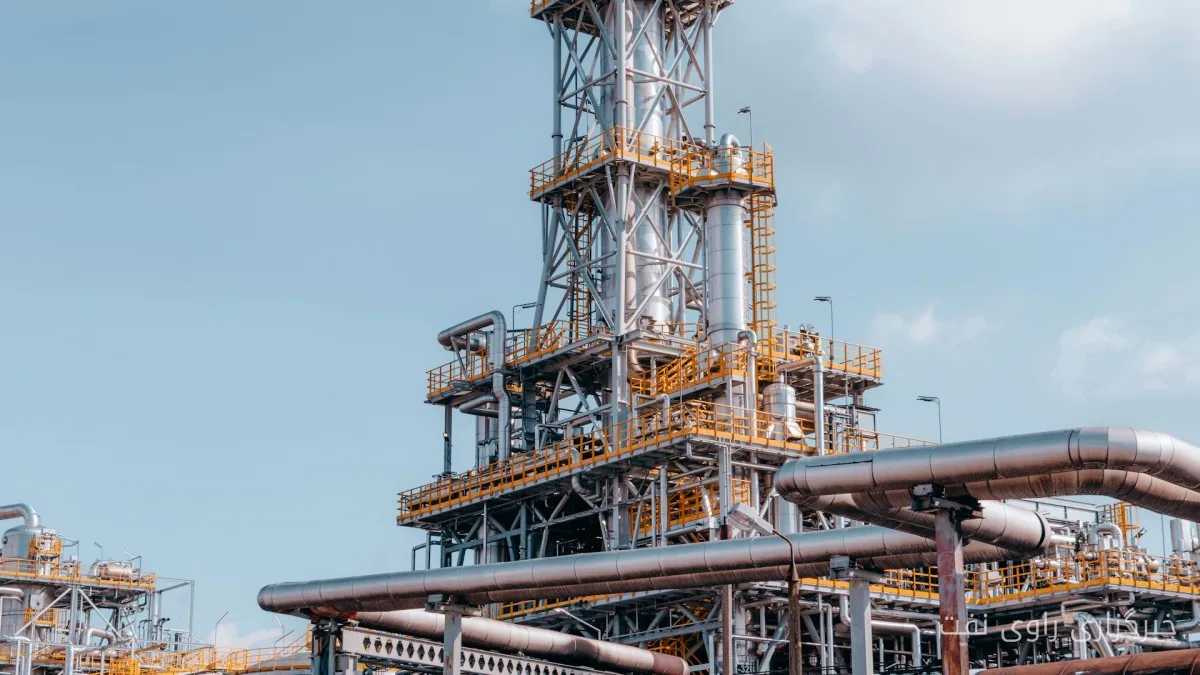
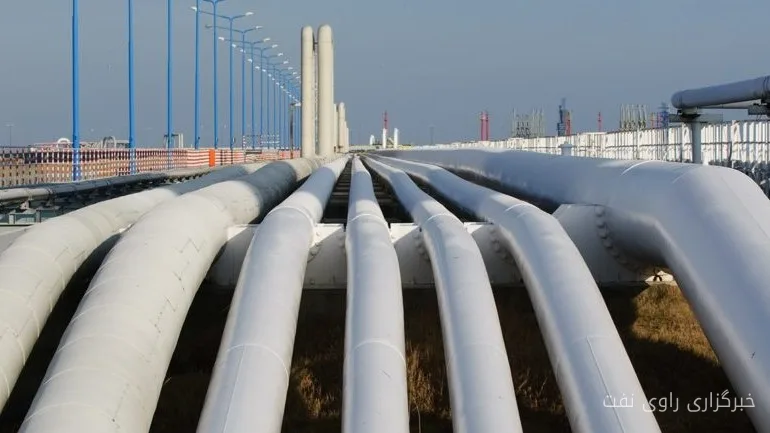
Saudi Arabia is increasingly relying on its east-west pipelines for transporting oil from the Persian Gulf to Red Sea export terminals due to the threats in the Strait of Hormuz. However, attacks on these pipelines also indicate instability in energy systems. This continuous cycle of threats and attacks on infrastructure creates a critical situation in the oil market that requires immediate attention.
Currently, many energy-consuming countries are seeking solutions to reduce dependence on these vulnerable routes. Officials in Europe and Asia are looking to maintain strategic reserves and create alternative routes to prevent immediate energy shortages in the event of a crisis.
However, these measures alone cannot reduce dependence on energy sources. Recent studies have shown that historical dependencies on specific energy resources, such as Russian natural gas, continue to pose serious challenges for Western countries.
Read more: US-Iran War Created Shortage of Sweet Crude Oil · Wind Energy Revolution in Britain; Energy Production Record in 2025