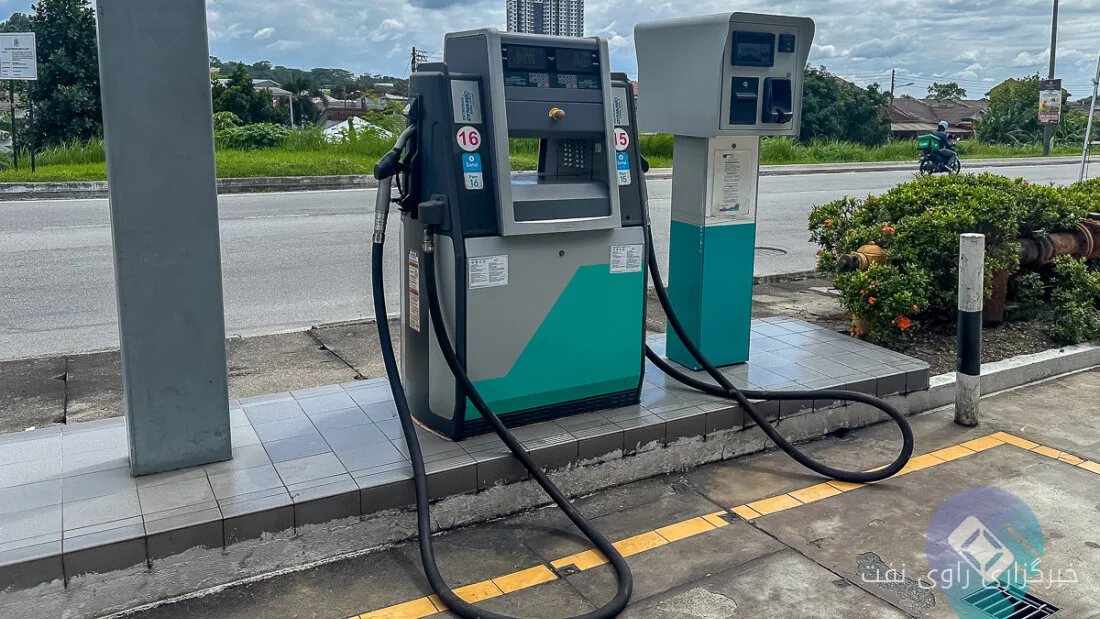
The diesel crisis, which has arisen due to refinery constraints in the Middle East and Russia, has become one of the main challenges in the energy market. According to a report by the International Energy Agency (IEA), this crisis will continue until 2027.
Impacts of the Diesel Crisis on the Global Market
Despite the increase in crude oil flow from the Strait of Hormuz to levels close to pre-war, global diesel supply has sharply decreased due to refinery constraints in the Middle East and Russia. According to the IEA, this pressure has led to an increase in wholesale and retail diesel prices in mid-September. At this time, the market realized that crude oil supply is not equivalent to the supply of refined products, and demand for intermediate products, including diesel, is increasing due to the harvest season and rising demand in road transport and winter.
Read more: Exxon Seeking to Preserve Guyanese Gas for Domestic Market
Serious Challenges in Diesel Supply
The diesel crisis clearly shows that even the plans to supply 100 million barrels of oil by the G7, including diesel, cannot alleviate the existing problems. Additionally, the controversial agreement between Trump and Putin to purchase diesel from Russia has also failed to help resolve this crisis. The International Energy Agency has stated in its report that diesel and gasoil markets faced serious issues in the third quarter of 2026, particularly due to long-term disruptions in refinery operations in the Middle East and Russia.
Given the inelastic demand for diesel, even with a rapid improvement in refining processes by the end of this year, diesel supply will still lag behind demand. This situation indicates that rebuilding lost inventories, beyond normal seasonal fluctuations, is unlikely until the second half of 2027.
In September, global diesel exports decreased by 700,000 barrels per day compared to last year. A reduction of 1.3 million barrels per day from Russia and the Middle East has only been partially compensated by increased supply from other sources. The IEA estimates that the Iran war will have serious impacts on the global market through restrictions on access to products, rising fuel prices, and an unfavorable economic outlook.
Diesel prices have fallen from a historic peak of over $200 per barrel in September, but they remain nearly double the price of crude oil and pre-crisis levels. This is while increasing volumes of crude oil from the Gulf and the Middle East are being transported at high prices and with significant risks.
The current oil crisis has turned into a transportation crisis and a refining bottleneck, adding to inflationary pressures. This situation clearly has wide-ranging economic impacts, increasing the cost of goods and affecting real income, economic activity, and inflation.
Read more: Farhad Shahroki's Letter to Masoud Pezeshkian Regarding the Selection of the Oil Minister · Intensification of the Oil Market with Increased Attacks on Tankers and Decreased Inventories