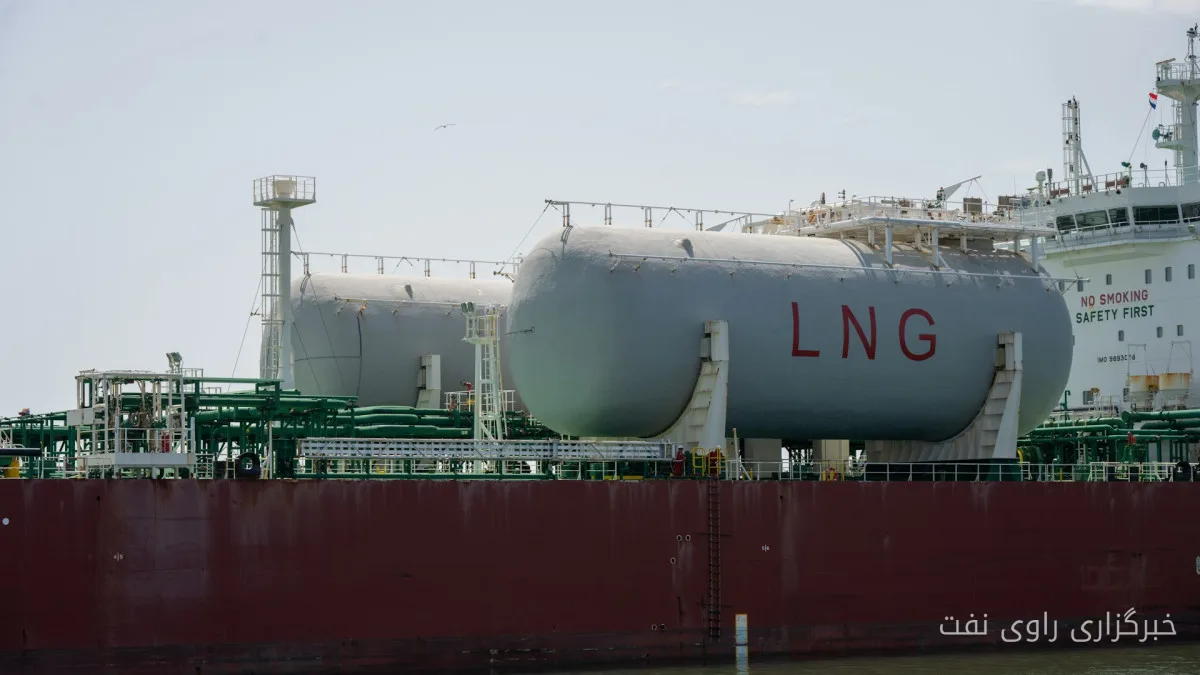
As the world's largest importer of liquefied natural gas (LNG), China has achieved 80% of its underground gas storage through proactive measures in gas storage. This increase in gas reserves, under the current circumstances influenced by the war in Iran, has helped reduce concerns in the global energy market.
China's Gas Reserves Status
According to information obtained from analysts, China's underground gas reserves reached 80% by the end of September. This figure clearly indicates the early actions taken by Chinese LNG buyers to increase their gas reserves in the face of existing challenges. While demand for immediate gas supply this winter has decreased due to rising prices and intense competition for LNG supply in Asia and Europe, these reserves could serve as an advantage for China.
Impacts of Climate Change and the Global Market
Current climate models indicate that the super El Niño phenomenon may raise winter temperatures in South Korea, Japan, and parts of China. This could reduce the need for gas in these key importers, thereby placing more burden on Europe, which has currently filled only 74% of its gas reserves. In the past five years, this figure has been more than 86% at this time.
Current forecasts also suggest that this winter in Europe will be slightly warmer, at least until January 2027. These conditions could alleviate pressure on gas import needs in Asia and Europe while also helping to meet energy needs in these regions. However, concerns about gas supply remain due to disruptions from Qatar and the closure of the Strait of Hormuz.
Despite favorable weather forecasts, gas prices in Europe and Asia are heavily influenced by ongoing developments in the Middle East. Gas prices in Europe remain at levels seen during the 2022-2023 energy crisis, while LNG flows from the Middle East are 80% lower than last year's volumes due to the closure of the Strait of Hormuz.
Warren Patterson, Head of Commodity Strategy at ING, noted: "Unfortunately for the natural gas market, we have not seen a similar recovery in LNG flows from the Gulf as we have seen in oil flows." This statement clearly reflects the challenges facing the LNG market.
Read more: Marco Rubio meets with Central Asian Foreign Ministers in Uzbekistan



